


Free written scope consultation - allowances, timeline, and change-order rules on paper before a single trade is scheduled
Silestone Home Additions & ADU: The Fort Worth Owner’s Guide
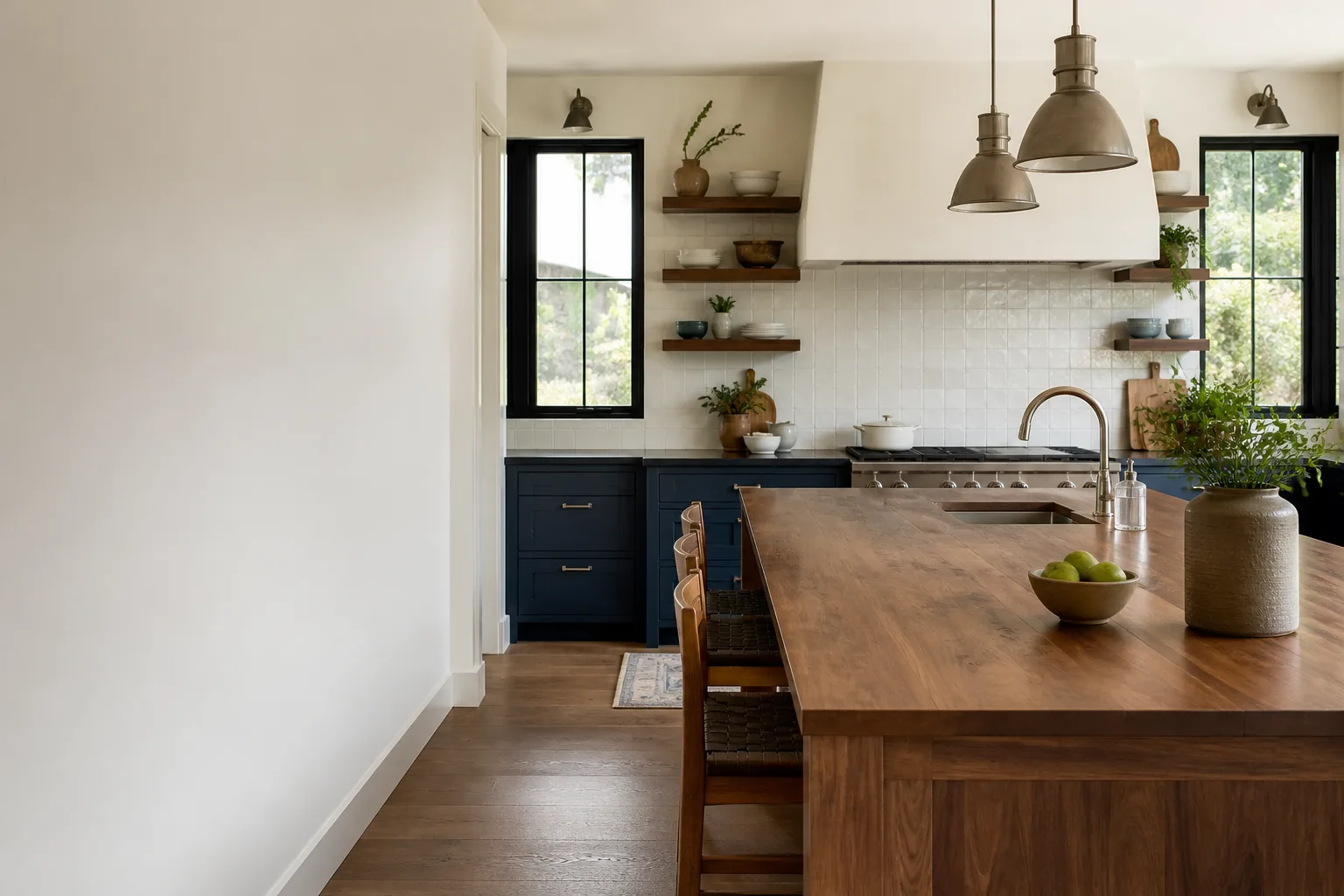
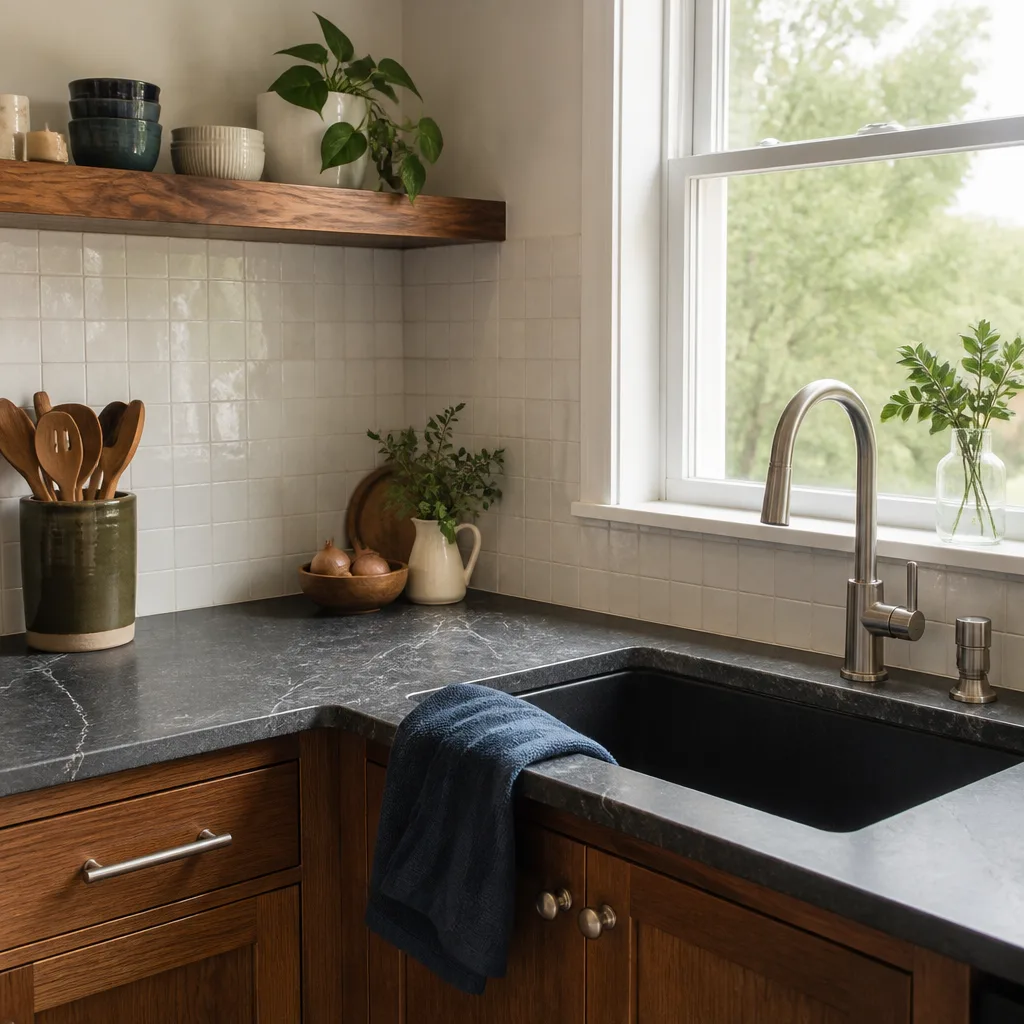
Silestone countertops and surfaces hold up well inside a Fort Worth home addition or ADU, but the surrounding work has to be right or the Silestone pays the price. A typical Silestone-specified home addition in Fort Worth runs $45,000 to $130,000, while a full ADU with Silestone kitchen and bath surfaces lands between $90,000 and $220,000. Most homeowners call us after the fact: the countertop has cracked at a seam, the island shifted, or the new space settled and pulled the Silestone away from the wall. The surface itself rarely fails first. What fails is the substrate, the cabinetry it sits on, or the framing that should have been squared before the Silestone ever arrived.
We fix that. Bradford Remodeling Co Fort Worth installs Silestone correctly the first time, and we correct installations that were never right to begin with. Call (682) 204-4897 for a written scope and firm price.
Which Silestone Models This Applies To
Silestone is a quartz surface from Cosentino, and it comes in three finishes that affect how it behaves in a Texas addition or ADU: polished, sueded (matte), and volcano (textured). The polished finish is the most common in Fort Worth kitchens and baths. The sueded finish hides fingerprints but shows oil marks faster. The volcano finish is the least common and the hardest to match if a section needs replacement.
Most of the failure we see is not the Silestone itself. It is the seam. Silestone slabs run 120 by 55 inches standard, with jumbo slabs at 128 by 63 inches. If the fabricator used two slabs on a kitchen island and the seam sits over a cabinet joint that was not leveled or shimmed correctly, that seam will open or crack inside the first year. Silestone is roughly 93% quartz and 7% resin binder. It expands and contracts with heat, meaning Fort Worth’s summer attic heat radiating down through a poor vented addition can move a seam 1/16 of an inch. You will see it as a hairline gap or a dull line that catches a fingernail.
Identifying the right replacement piece means finding the lot or batch number on the underside of the slab, if it is visible, or matching the color code from the original invoice. Silestone color codes like Blanco Zeus, Eternal Serena, or Iconic White change slightly between production lots. A good fabricator can blend close, but a perfect match requires keeping an offcut from the original install. If you do not have one, we can still get close enough that only the person who installed it would notice.
Bradford Remodeling Co Fort Worth is an independent remodeling contractor. We are not affiliated with Silestone or Cosentino. We do work with Silestone surfaces regularly, along with Cambria and Caesarstone, so we know what each one needs from the framing and cabinetry underneath.
Styles & brands we work with







Signs Your Silestone Home Additions & ADU Is Failing
- A seam opens or widens near an exterior wall. The addition settles, the slab flexes, and the seam is the first place that shows it. If you can fit a business card in the gap, the substrate or framing is moving.
- The Silestone pulls away from the backsplash or wall. Cabinets are not anchored to the wall studs the way they should be, or the wall itself has shifted. The countertop then drifts away from the wall, leaving a gap that widens over a few months.
- Cracks at the inside corners of a sink or cooktop cutout. Quartz is hard but brittle at tight corners. If the fabricator cut a sharp inside corner instead of a radiused one, stress concentrates there and eventually cracks. Fort Worth’s temperature swings make this worse in additions that are not conditioned year-round.
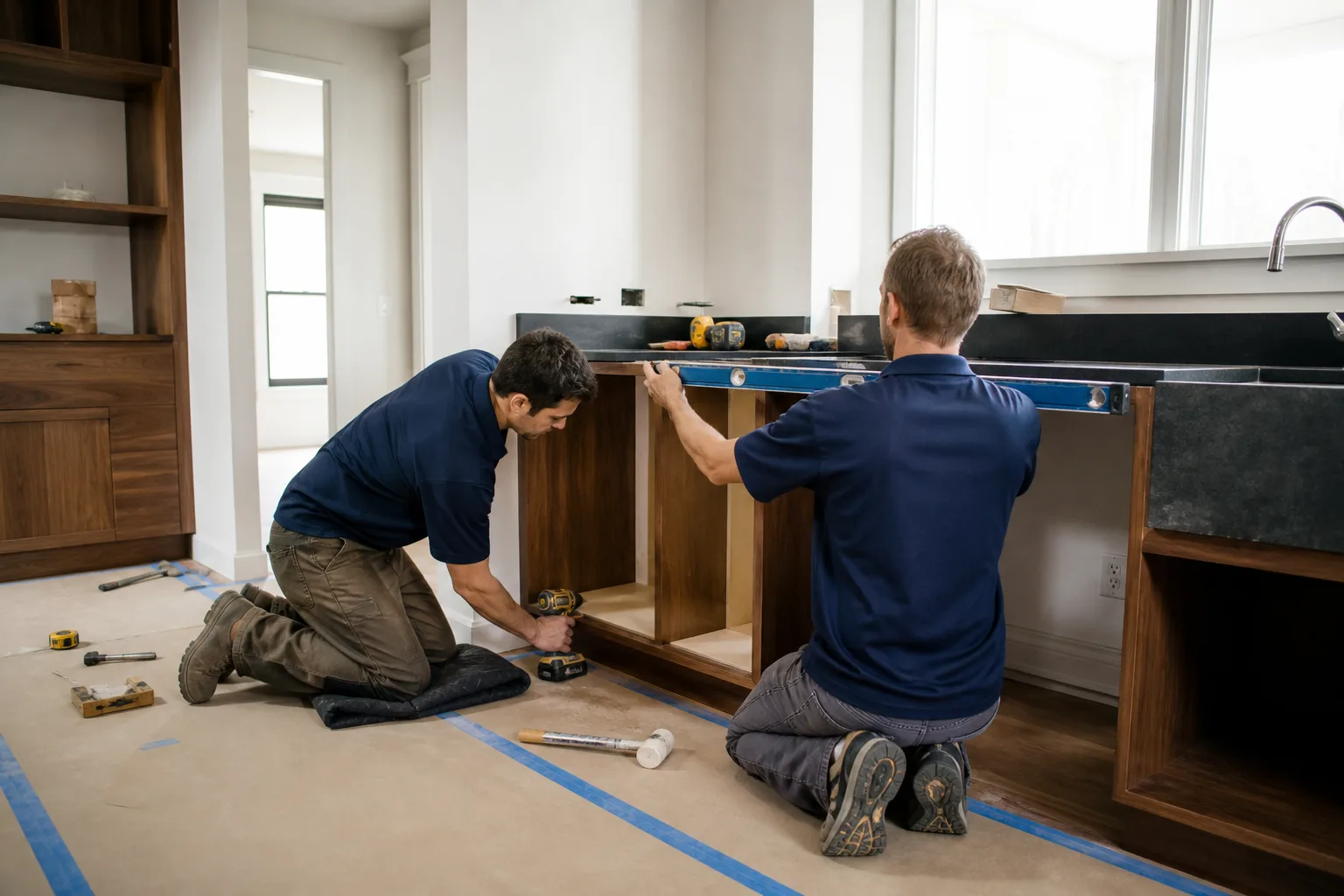
- The island moves or rocks when you lean on it. The island base is not level, or the cabinet boxes were not screwed together and anchored to the floor. A 450-pound Silestone top sitting on a racked island will eventually crack at the weakest point.
- Water staining or swelling at the sink edge. The seam under the sink was not sealed, or the silicone bead failed. Water gets into the substrate, the MDF or plywood swells, and the Silestone lifts unevenly around the sink.
Each one of these is a call worth making. The longer a failed substrate sits under Silestone, the more likely the surface itself goes with it. Call (682) 204-4897 and we will tell you straight what you are looking at.
See the difference
 Before
 After
After Before
 After
After Before
 After
AfterReplacement Cost & What’s Included

In Fort Worth, replacing Silestone countertops as part of a home addition or ADU project runs $2,000 to $6,500 depending on square footage, edge profile, and whether the existing cabinets can be saved. If the cabinets or substrate are shot, the number climbs. We quote the work we can see and we write it down.
Here is the breakdown:
- Silestone slab and fabrication: $60 to $120 per square foot, installed, depending on finish and edge treatment.
- Demolition and disposal of the failed top: $300 to $600.
- Substrate repair or cabinet leveling: $400 to $1,500, if the cabinets are salvageable.
- Full cabinet replacement under Silestone: $4,000 to $13,000, if the boxes are racked or water-damaged.
- Seam repair and re-seal on a salvageable Silestone top: $300 to $900.
Every price we give in Fort Worth is a written price before work starts. That is The Garrison Standard, and it is non-negotiable at our company. You will know the number, the scope, and the timeline before a single tool comes out. The 365-Day Done Right Promise covers the completed work for a full year. If it fails inside that window, we come back and correct it at no charge.
DIY or Call Us?
You can check a few things yourself. Look at the seam. If it has opened more than a hair, mark the ends with painter’s tape and watch it for two weeks. If the gap grows, the structure is moving under the surface. Check the island with a level across the top in both directions. If the bubble is outside the lines, the base is not flat and the Silestone is loaded unevenly.
What you should not do is attempt to shim, lift, or re-set a Silestone slab yourself. These slabs weigh 15 to 18 pounds per square foot. A typical island top runs 300 to 500 pounds. A drop or a pinch is a hospital visit, and a wrong shim placement can crack the slab in a place that cannot be repaired cleanly. This is not a weekend job. It is a job for a crew that lifts, levels, and anchors in that order.
Straight scope, firm price, no surprises at final walkthrough. That is how Curtis Lane runs Bradford Remodeling Co Fort Worth. Call (682) 204-4897 and we will take a look.
FAQs
Silestone itself should last 25 years or more as a surface. What shortens that lifespan in Fort Worth is the framing, substrate, and installation underneath it. If those are done right, the Silestone is not the part that wears out.
A hairline crack can sometimes be filled and color-matched, but it will always be a filled crack. If the crack came from movement in the cabinets or slab, the repair will reopen. We will tell you if a repair is worth doing or if you are throwing money at a structural problem.
Once the slab is templated and fabricated, installation usually takes one day. The full process, including measurements, fabrication, and tear-out, typically runs two to three weeks depending on the fabricator’s schedule.
We do not stock full Silestone slabs in a warehouse. We order from our fabricator partners by color code and finish, and we keep offcuts from our own installs when a client wants them for future repairs. We also work with KraftMaid, Cambria, and Kohler products, so we can match the rest of your addition or ADU without juggling three different contractors.
For an exact quote on your Silestone home addition or ADU project in Fort Worth, call (682) 204-4897. The estimate is free, and it will be in writing.
Written by Curtis Lane, Owner, Bradford Remodeling Co Fort Worth at Bradford Remodeling Co Fort Worth, serving Fort Worth and nearby areas.


