

Free written scope consultation - allowances, timeline, and change-order rules on paper before a single trade is scheduled
Atlas Home Additions & ADU: The Fort Worth Owner’s Guide
A failed structural component on an Atlas home addition or ADU in Fort Worth typically runs $45,000 – $130,000 to replace correctly, depending on whether you’re repairing a roofline, foundation wall, or load-bearing beam. We stock Atlas-compatible framing hardware, sill plates, and tie-downs on our trucks, and we can usually diagnose and quote the job within one site visit. Most owners discover the problem through a sticking door, a hairline crack that widens after a hard rain, or a floor that suddenly feels like it’s rolling underfoot. Those are structural tells, not cosmetic noise.
Bradford Remodeling Co Fort Worth is an independent contractor, not an Atlas dealer or affiliate. But we’ve torn into enough Atlas-built additions and ADUs across Tarrant County to know exactly where the factory spec meets Texas clay soil, and where that marriage goes wrong. This page tells you what fails first, what it costs to fix, and how to confirm you’re not chasing a ghost.
Which Atlas Models This Applies To
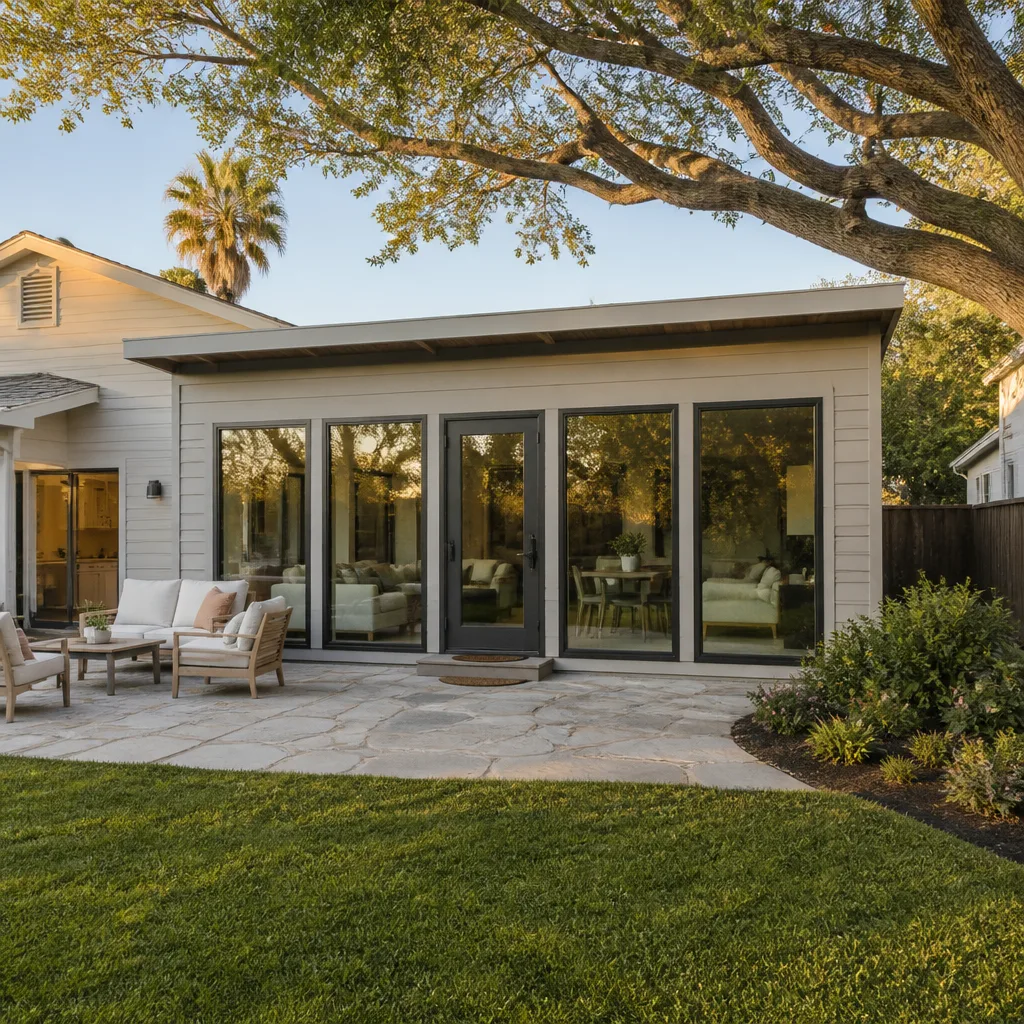
Atlas home additions and ADUs built after roughly 2010 share a common structural DNA: engineered rim joists, H2.5A hurricane clips at the roof-to-wall connection, and post-and-beam headers over wide openings. If your addition has a sloped ceiling with exposed collar ties, you’re looking at the Atlas signature roofline. If the ADU sits on a perimeter foundation with a crawlspace, the failure points are almost always at the sill plate and the joist pockets. If it’s on a slab, failures concentrate at the anchor bolts and the stem wall intersection.
The compatibility gotcha: Atlas changed their header spec in 2018 from solid sawn lumber to LVL assemblies, and the new hangers don’t retrofit onto the old joist spacing without shimming. We carry both current Atlas-spec connectors and the older pattern, so we can match your build date without forcing an aftermarket part into a hole it wasn’t machined for. OEM parts are the right call when the connection is load-bearing. Quality aftermarket equivalents work fine for non-structural trim, flashing, and venting, and we’ll tell you which is which in the written quote rather than letting you pay OEM prices for a part that doesn’t earn them.
To identify your Atlas build date without tearing out drywall, look for a date stamp on the electrical panel placard or the water heater inspection sticker. Both usually carry the year the ADU was permitted. If those are gone, the door hinges tell a story: Atlas used 4-inch square-corner hinges through 2017 and switched to 3.5-inch radius hinges after that. Small tell, but it narrows the parts list.
Styles & brands we work with







Signs Your Atlas Home Additions & ADU Is Failing
- Doors that stick only in summer. The clay soil under Fort Worth expands when wet and contracts in drought. What feels like a swollen door is often the addition’s corner settling unevenly, which transfers load to the header above the door frame. If sanding the jamb doesn’t hold, the header is moving.
- Drywall cracks at a 45-degree angle off window corners. This is classic shear racking. The wall is twisting under uneven load. On Atlas builds, this usually traces back to a missing or failed H-clip at the framing connection, not the drywall work.
- A crawlspace smell that gets stronger after rain. Sill plate rot at the foundation line lets standing water wick up into the framing. By the time you smell it inside, the bottom plate has typically lost most of its structural bearing. This is the most expensive fix we see on Atlas ADUs in Fort Worth.
- Floors that bounce in one spot but not another. A joist that deflects under foot traffic means either a notched joist from original construction or a failed joist hanger. Atlas used top-flange hangers on some interior spans, and those corrode fast in a humid crawlspace when the original vapor barrier was installed loosely.
- Exterior siding pulling away at the corner trim. The addition and the original house move on different schedules if the connection detail wasn’t flashed and fastened per Atlas’s engineering letters. That gap is where water enters, and it’s also the visual confirmation that the structures are working against each other.
See the difference
 Before
 After
After Before
 After
After Before
 After
AfterReplacement Cost & What’s Included
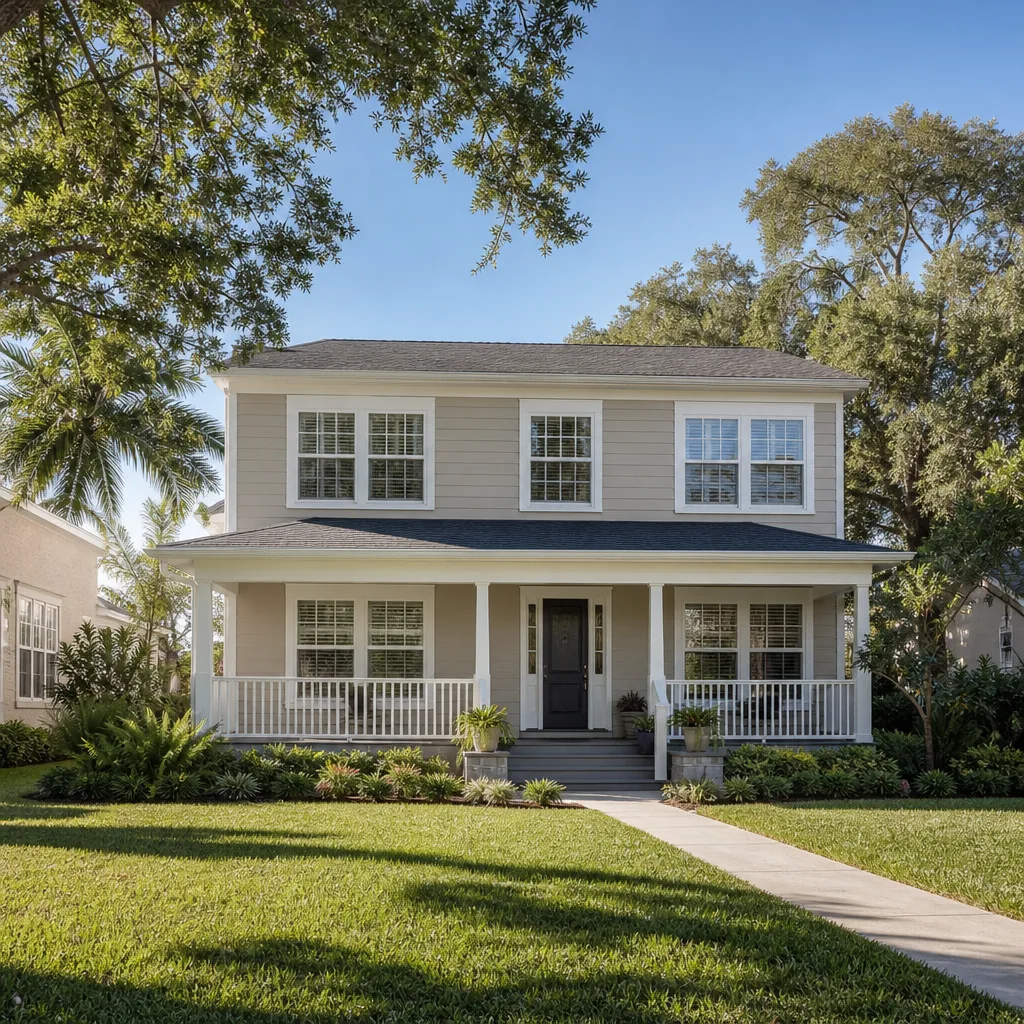
In Fort Worth, structural remediation on an Atlas addition or ADU runs $45,000 and up. A full rebuild of a failing section, including new framing, ties, sill replacement, and drywall return, lands between $75,000 and $130,000. Anything below $45,000 on a true structural failure means someone is pulling out a damaged member and putting back the same problem material, which is not a fix, it’s a postponement.
Here’s the line-item reality so you can read a competing quote with eyes open:
- Structural engineering review and stamped letter: $1,800 – $4,200, if your project requires a city permit revision. We pull permits in Fort Worth and we don’t skip this step when load-bearing members are involved.
- Sill plate replacement on a single wall run: $7,500 – $15,000, including temporary shoring, plate replacement with treated lumber, and new anchor bolts to code.
- Header replacement or LVL retrofit: $4,500 – $11,000 per opening, depending on span and whether the old hangers are reusable.
- Full joist system repair in a crawlspace ADU: $28,000 – $55,000, including vapor barrier replacement and re-hanging with new Atlas-spec connectors.
Every Bradford quote includes the parts, the labor, the permit, the haul-away, and the written 365-Day Done Right Promise. If the work we do fails inside that year, we come back and correct it. No charge, no debate. That’s The Garrison Standard, and it’s in writing before a single tool comes out of the truck.
DIY or Call Us?
What you can safely do: confirm which doors bind, mark the crack locations with painter’s tape and dates, check the crawlspace for standing water after a hard rain, and shoot photos of any roofline sag from across the street. That documentation shortens our diagnosis time, and you’ll have a baseline if the movement is seasonal rather than progressive.
What you should not do is jack up a settling addition yourself. A homeowner with a bottle jack and a level can push a beam an inch, feel proud, and split the header it sits under. We’ve bought jobs that started that way. Structural correction is sequenced work: shore, remove, replace, tighten in a pattern, then measure deflection under load. One wrong sequence and the wall you were trying to save comes down. If you’re seeing any of the signs above, call (682) 204-4897. Curtis Lane will walk the site with you, explain what’s moving and what’s not, and hand you a written scope with a firm price.
FAQs
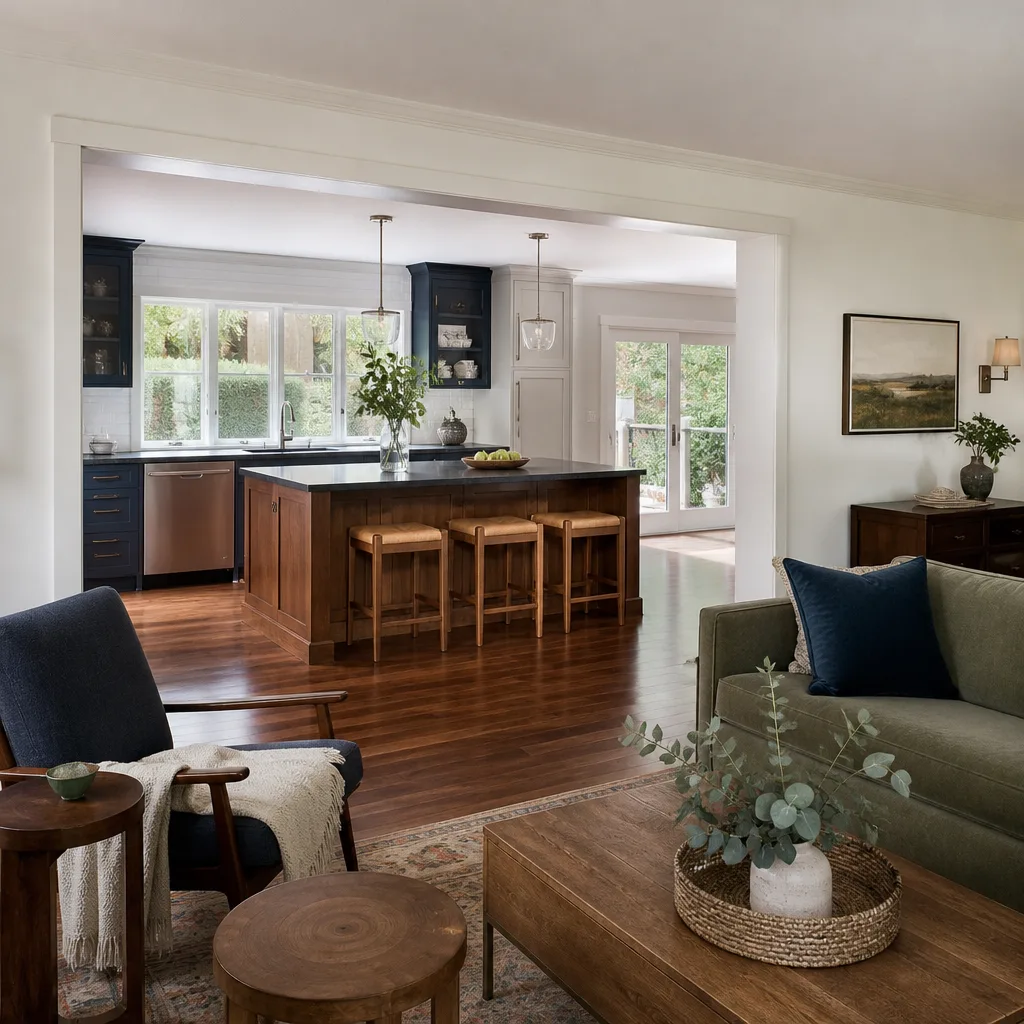
A well-built Atlas addition on a properly prepared Fort Worth foundation should carry the framing for 50 years or more; the parts that fail first are the connection points – sill plates, joist hangers, and header fasteners – which in our local clay soil typically show problems between year 12 and year 20. The structure itself can outlast every finish inside it if the connections stay dry and fastened. Call (682) 204-4897 and we’ll tell you what’s worth reinforcing now versus what can ride.
Yes – most failures we fix in Fort Worth are localized connection repairs or single-member replacements, not full rebuilds. The repair-versus-rebuild call comes down to how far water has traveled and whether the original framing was notched incorrectly, which we often can’t confirm until we expose the cavity. We’ll show you what we open up, photograph it, and give you the repair scope before any rebuild conversation starts.
A single-wall sill plate or header replacement runs two to four working days including permit inspection; a full crawlspace joist system overhaul on a detached ADU typically takes two to three weeks. We work off a written schedule with named crew members, so you know who’s on site each morning and when the city inspector is coming.
We keep Atlas-spec H2.5A clips, top-flange and face-mount joist hangers, sill plate anchors, and LVL header stock on our trucks, and we source the heavier engineered members from a Fort Worth lumberyard we’ve worked with for years. We also maintain parts relationships for the brands homeowners around here ask about, including KraftMaid, Cambria, and Silestone, so finish work can spec out cleanly when the structural work is done.
If your Atlas addition or ADU is telling you something, don’t wait until the drywall does the talking for you. Call (682) 204-4897 and schedule a free site assessment. You’ll get straight answers, a written price, and a plan that leaves the site clean and the structure square. Straight scope, firm price, no surprises at final walkthrough.
Written by Curtis Lane, Owner, Bradford Remodeling Co Fort Worth at Bradford Remodeling Co Fort Worth, serving Fort Worth and nearby areas.


