

Free written scope consultation - allowances, timeline, and change-order rules on paper before a single trade is scheduled
CWS Home Additions & ADU: The Fort Worth Owner’s Guide
A CWS home addition or ADU project in Fort Worth typically runs $45,000 – $130,000 for permitted, structurally sound work that meets current Texas code. Bradford Remodeling Co Fort Worth provides the contractor side of that work: written scope, firm price, and a one-year written guarantee on everything we build. We’re an independent remodeling company, not affiliated with CWS, which means we quote the work as it applies to your specific property, not a brochure.
Shane “Steven” Bishop here. I’ve been walking Fort Worth additions for years, from the gut-rehab kitchens near the Stockyards to full second-story frames on the south side. What I see most often isn’t a failing foundation or a bad architect. It’s a scope that grew legs. A crew that quoted one thing, did another, and left before the paint dried. If you’re on this page, you may be holding a bid that doesn’t smell right, or you’re done with no-shows. Here’s the straight answer.
Key Takeaways
- Fort Worth home additions run $45,000 – $130,000 for full, permitted work. ADUs run higher: $90,000 – $220,000.
- Bradford Remodeling Co Fort Worth covers the general contracting, not a CWS product line. We build what CWS additions need to stand.
- Our 365-Day Done Right Promise puts every guarantee in writing before the first tool comes out.
- Written price before work starts. No numbers that move at the door.
Styles & brands we work with







Which CWS Models This Applies To
CWS home additions and ADUs in Fort Worth are built around a handful of structural configurations, not a single “model” in the way a dishwasher or a furnace has a model number. The compatibility question you’re actually asking is whether your existing structure can carry an addition, and whether the new work meets Fort Worth’s residential building code. The answer lives in your original framing, your roof load, your septic or sewer capacity, and your zoning.
When we read a CWS addition or ADU site, we’re looking for four things. First, the existing foundation type: pier-and-beam is far more common in the older neighborhoods around Ryan Place and Mistletoe Heights, while slab-on-grade dominates the newer north and west sides. Second, the roof lines: a CWS addition with a low-slope roof needs tie-in details that a gable-roof addition doesn’t. Third, the rough-ins: electrical panels, HVAC trunks, and plumbing stacks have to be rated for the added square footage. And fourth, the load path: a second-story CWS addition on a slab built in 2003 and an addition on a raised foundation built in 1978 are two very different jobs.
So the honest compatibility answer is: your CWS addition is its own animal. The part that “fails” on a home addition isn’t a seal or a fitting. It’s a design shortcut. A footer poured without rebar. A tie-in that leaked. A kiln-dried stud that wasn’t. We inspect for those shortcuts before we quote.
You’ll sometimes see the word “CWS” tied to manufactured home or cabin components, not a full-build standard. If what you have is a CWS-branded manufactured home and you’re looking to add living space, the compatibility question shifts to foundation anchoring and the marriage line between the manufactured section and the site-built section. That’s a different trade than a stick-built addition, and we’ll tell you up front if we’re not the right crew for it. We’d rather lose the job than build it wrong.
Signs Your CWS Home Additions & ADU Is Failing
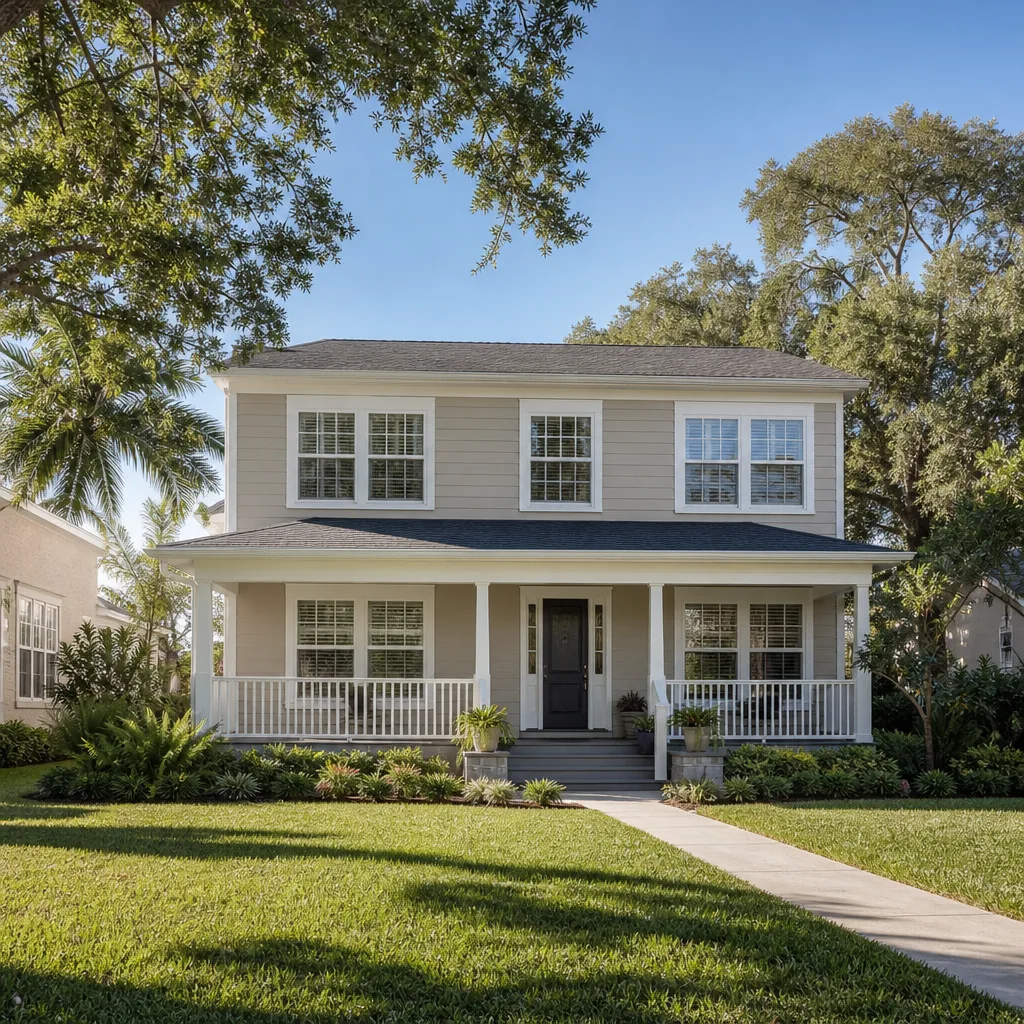
The signs of a failing home addition or ADU project are almost always visible long before the wall opens up. Here’s what we see most often in Fort Worth, and what it actually means.
- Doors that stick or won’t latch in the new space. That’s usually a settling issue, but not always. In Texas clay soils, a foundation that wasn’t engineered for the added load will move. If the addition is pulling away from the original structure, the rough-in is still solid but the footer wasn’t sized right.
- Drywall cracks at the seam where the old roof meets the new roof. Fort Worth gets 20 – 30 freeze-thaw cycles a year, and a tie-in that’s not flashed and sealed properly will open up every spring. The crack is the symptom; the water getting behind it is the problem.
- Roof leaks at the addition’s roof-to-wall junction. This is the most common failure we see in CWS additions and ADUs across Fort Worth. If the roofer skipped the step flashing or used caulk instead of a proper membrane, the seam opens after one Texas hailstorm. Repair cost at this stage: $2,500 – $8,000. If you wait until the sheathing rots, it doubles.
- The HVAC can’t keep the new space comfortable. A ducted trunk that was never upsized for the added square footage means the new room runs 8 – 10 degrees off from the rest of the house. In a Fort Worth August, that’s not a comfort problem. That’s a code-compliance problem.
- Permanent musty smell in the ADU after rain. That tells you water is getting behind the exterior cladding and sitting. It’s never just a smell. By the time you smell it, studs are already wicking moisture. Mold removal and framing repair for a 400 – 600 square foot ADU can run $6,000 – $15,000 before you even touch finishes.
If you see one of these, don’t panic. Write down the date you first noticed it, and get a licensed inspection before you get a quote. We can walk your property and tell you in 90 minutes whether it’s a repair or a rebuild.
See the difference
 Before
 After
After Before
 After
After Before
 After
AfterReplacement Cost & What’s Included
Here are the real Fort Worth numbers for home addition and ADU work, installed. These are market-calibrated ranges for our service area, not ballparks from a national website.
| Project | Fort Worth Installed Range |
|---|---|
| Home Addition | $45,000 – $130,000 |
| ADU Construction | $90,000 – $220,000 |
| Garage Conversion to Living Space | $30,000 – $80,000 |
What drives the range? Size is the single biggest factor. A 600-square-foot single-room addition on a slab in Wedgwood is a different price than a 1,200-square-foot two-story addition on pier-and-beam in Ryan Place. Permit fees in Fort Worth for residential additions run $1,500 – $6,000 depending on valuation. Structural corrections, foundation work, and mechanical rough-ins add more. Finish level moves the needle last, not first: KraftMaid cabinets, Cambria surfaces, and Kohler fixtures are all in our name-brand roster, but they don’t drive a $40,000 swing. The bones do.
Every Bradford Remodeling Co Fort Worth quote is written, line-itemed, and fixed before work starts. No change orders out of nowhere. No “we found something” reprice. If a legitimate change is needed mid-project, we put it in writing and you approve it before we touch it. Straight scope, firm price, no surprises at final walkthrough.
DIY or Call Us?
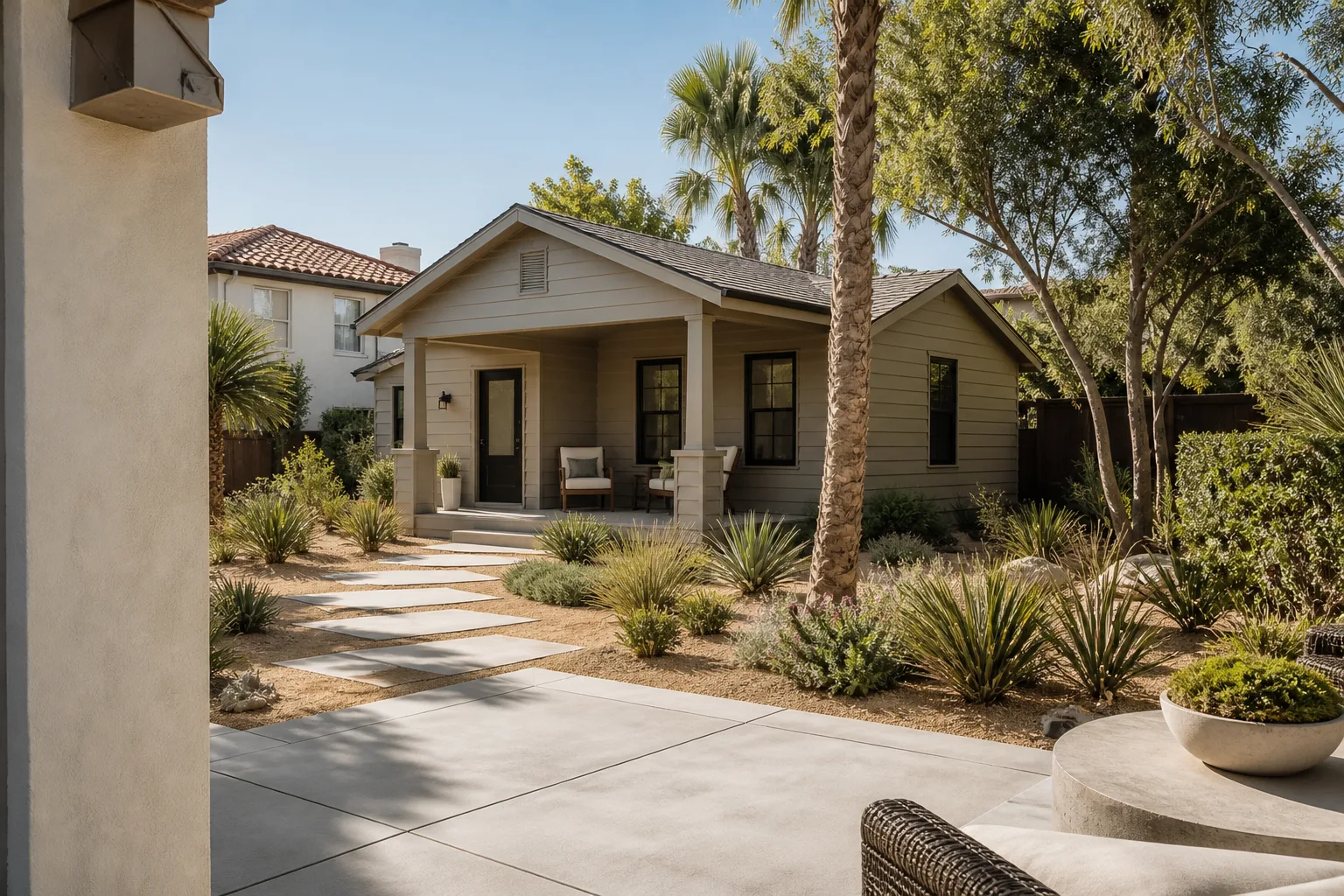
There’s a real split here between what a Fort Worth homeowner can honestly self-perform and where the work gets dangerous or expensive fast. Be straight with yourself.
What you can safely do: pull permits for a small interior remodel, paint, install a backsplash, change out a vanity or a kitchen faucet. A backsplash is $800 – $2,500 in Fort Worth if you pay us; it’s $200 – $500 in materials if you do it yourself. Good. Do it yourself.
Where DIY goes wrong: anything that touches the structure, the roof tie-in, the electrical panel, the gas line, or the foundation. These are the parts that hurt people when they’re done wrong. A second-story addition is not a weekend project. A roof-to-wall junction is not caulk and hope. We’ve pulled too many framing members that a previous owner “fixed” with wood screws and spray foam. The fix for that is three times the original price.
If you’re not sure which side of the line your job falls on, call us. Curtis Lane will walk your site and tell you the truth. (682) 204-4897.
FAQs
A 600 – 800 square foot addition typically takes 4 – 6 months from first inspection to final walkthrough, depending on permit review, weather, and finish selections. An ADU with a separate kitchen and bath runs 6 – 10 months. We put the schedule in writing at contract signing, and we don’t disappear mid-project.
Most failing additions can be repaired without a full teardown. The most common repairs we make in Fort Worth are flashing and tie-in corrections, foundation leveling, and roof-structure reinforcement. A full tear-down is only necessary when the framing is rotted, termite-damaged, or structurally undersized beyond repair. We’ll tell you which you have after a 90-minute site walk. Call (682) 204-4897 to book one.
We stock or order from documented name-brand lines: KraftMaid, Cambria, Silestone, Kohler, GAF, James Hardie, Therma-Tru, and more. For structural components, we order what your site plan calls for, cut to your dimensions. We don’t stock CWS-branded manufactured-home components; we work in site-built additions and ADUs. If your project needs a manufactured-home-specific part, we’ll tell you before you spend a dollar with us.
One full year from the day we hand you the written guarantee at final walkthrough. If any completed work fails inside that window from a workmanship or material issue, we come back and fix it at no charge. No fine print. The promise is written into your contract, and you keep the signed copy.
No. The price we write in your contract is the price you pay. The only exception is a written change order that you approve in advance. No verbal re-prices, no “the crew found something” surprises.
If your CWS home addition or ADU is failing, don’t wait until spring rains or July heat make it worse. Call Bradford Remodeling Co Fort Worth at (682) 204-4897 for a free estimate, a straight scope, and a written price. We’re the crew that puts it in writing before a single tool comes out.
Written by Curtis Lane, Owner, Bradford Remodeling Co Fort Worth at Bradford Remodeling Co Fort Worth, serving Fort Worth and nearby areas.


