
Free written scope consultation - allowances, timeline, and change-order rules on paper before a single trade is scheduled
Dvele Fence Installation: The Fort Worth Owner’s Guide
If you own a Dvele home in Fort Worth and the fence is failing, we install Dvele-compatible fence systems for $3,500 to $9,000, and we can usually get a crew out within a week of the written quote. Most owners discover the problem the same way: a post starts leaning after a heavy North Texas storm, a gate drags across the concrete, or the bottom rail pulls loose from the post. You don’t need a full replacement every time, but you do need someone who knows how Dvele fences are assembled before they start digging.
Bradford Remodeling Co Fort Worth is an independent contractor. We are not affiliated with Dvele, and we don’t claim to be. What we do is install their fence systems correctly, match hardware where it matters, and stand behind the work for a full year under the 365-Day Done Right Promise.
Which Dvele Models This Applies To
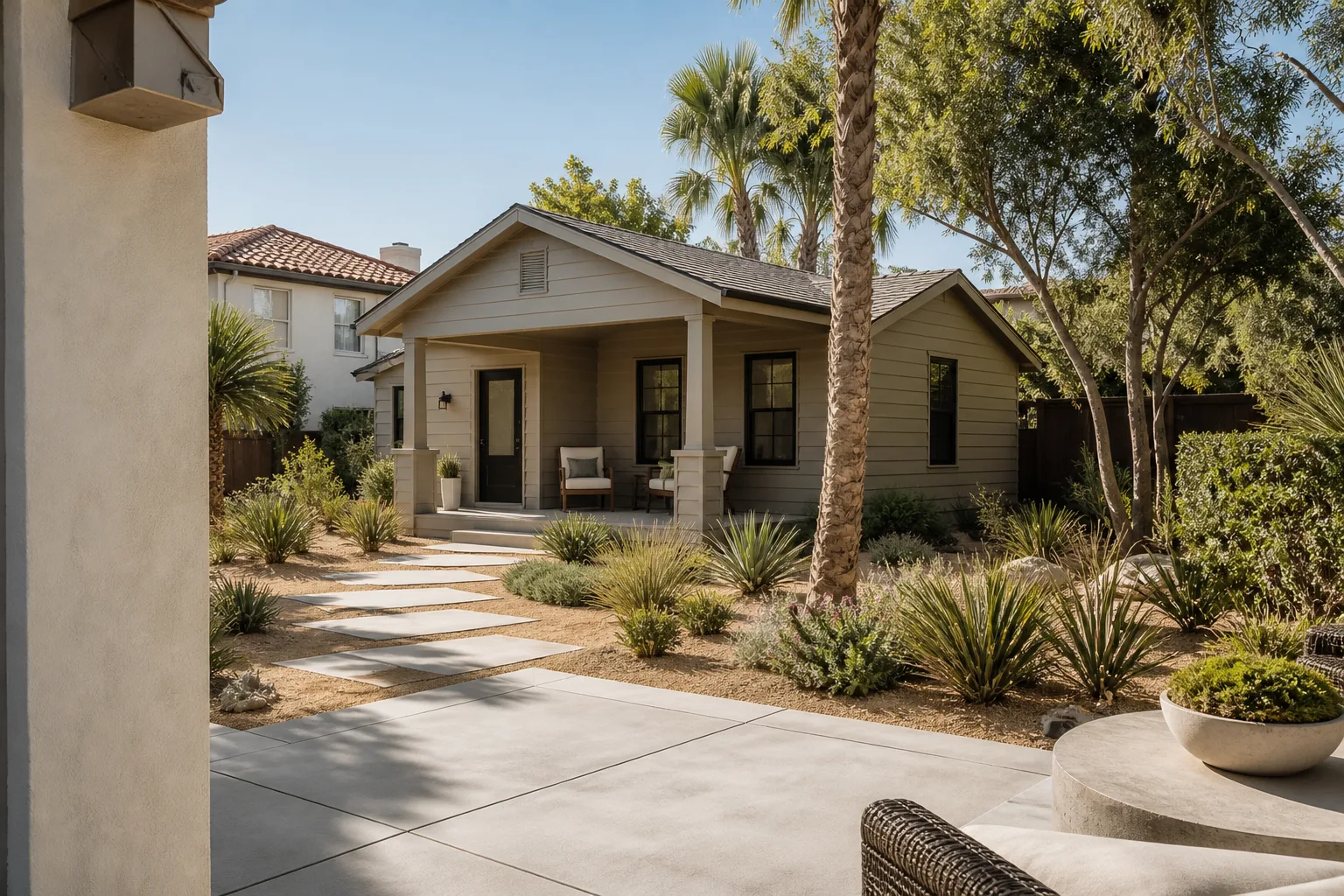
Dvele’s fence systems vary by build year and spec package. The most common configurations we see across Fort Worth are aluminum horizontal-slat privacy fences and steel post-and-rail perimeter fencing, depending on the lot and HOA requirements. The hardware is the tell: Dvele posts typically use a concealed bracket system, not exposed lag bolts, and the horizontal rails slide into routed channels rather than screwing to the face of the post.
Here’s the compatibility gotcha homeowners miss: those channel widths are not universal. Some Dvele builds use a 1-3/4-inch channel; others spec a 2-inch channel. A rail that’s 1/4 inch off will wobble even if the post is perfectly set. If you can find the original fence submittal or the Dvele spec sheet from your closing documents, bring it to the quote. If you can’t, we measure on site. We don’t guess on Dvele work. Curtis Lane has pulled enough Fort Worth fences apart to know that guessing is what turns a $4,000 repair into an $8,000 redo.
On the OEM-versus-aftermarket question: for Dvele-specific aluminum slats and concealed hardware, we prefer OEM or a machined equivalent that matches the channel spec exactly. Painting an aftermarket slat to match is one thing; bending the channel to accept the wrong rail width is another, and we won’t do the second one.
Styles & brands we work with







Signs Your Dvele Fence Installation Is Failing
Fence failures in Fort Worth don’t usually announce themselves all at once. They creep. Here’s what we see most often and what’s actually happening underneath:
- Post lean after rain. North Texas clay soil expands when wet and contracts in drought. A post set in shallow concrete will shift a little every season until the panel pulls out of alignment. The fix is a proper footing, not a kicker board.
- Gate drag or sag. The hinge side of a Dvele gate carries more load than the latch side. When the post moves even half an inch, the gate catches on the concrete or the latch stops lining up. Adjusting hinges buys time; resetting the post buys years.
- Rails pulling loose from posts. Those concealed channels I mentioned will hold a rail for decades if the hardware is torqued right. If one rail has worked free, it usually means the original install missed a bracket or the post has moved. Tightening it back without fixing the post is temporary.
- Discolored or corroded hardware. Fort Worth gets hot, humid summers, and cheap zinc hardware gives up after a few seasons. Dvele specs stainless in most cases. If someone swapped in coated steel, the tell is rust streaks below the rail. That hardware is already failing structurally even if it looks okay from ten feet.
- Sections out of plane. Stand at one end of the fence and sight down the top rail. A good Dvele install reads dead flat. If you see a wave, something below the surface moved. That’s a footing or soil condition, not a board problem.
See the difference
 Before
 After
After Before
 After
After Before
 After
AfterReplacement Cost & What’s Included
In Fort Worth, a Dvele fence installation or full post replacement runs $3,500 to $9,000 depending on linear footage, post count, soil condition at the dig, and whether you’re matching aluminum slats or replacing a full section. A shorter repair – say, resetting two posts and re-hanging a gate – lands at the bottom of that range. A full perimeter with new posts, rails, and panels hits the top.
Every Bradford quote is a written price before any work starts. That number includes parts, labor, concrete, haul-off of the old material, and the permit when the city requires one. It does not grow at the door. If we find a buried surprise during the dig, we stop, show you, and give you a written change before any additional work happens. That’s The Garrison Standard, and it’s non-negotiable.
All completed work carries the 365-Day Done Right Promise: if your fence fails within a year of completion, we come back and correct it at no charge. The day we finish, you get a signed written guarantee in your hand along with a clean site and a documented scope of what we did.
DIY or Call Us?
Here’s where I’ll give it to you straight. You can check your fence safely: sight down the top rail, measure the gate gap at the latch, look for rust streaks at hardware. Those cost nothing and they tell you what to watch. What you shouldn’t do is dig the old post out yourself if you’re not sure where your gas, electric, or irrigation lines run. Buried utilities in Fort Worth subdivisions run closer to fence lines than people think, and a pick hit to a gas line is the kind of mistake that doesn’t give you a second chance.
Setting posts in Texas clay is also the part where DIY fences fail. It’s not the hole; it’s the footing depth, the concrete mix, and the set time before you hang the panel. If any of those is off, the fence leans in a year and you’re paying for the job twice. Call (682) 204-4897 and let us put it in writing. Straight scope, firm price, no surprises at final walkthrough.
FAQs
A properly installed Dvele aluminum or steel fence system should last 25 to 30 years in North Texas, with hardware replacement somewhere in the 10-to-15-year range. What fails first around Fort Worth is rarely the panel – it’s the post hardware and the footing, because clay soil movement works both every season. If your fence is less than 10 years old and posts are already leaning, that’s an install issue, not a material issue. Call (682) 204-4897 and we’ll tell you exactly what you’re looking at after a site visit.
Yes, in most cases a leaning post can be reset and stabilized without pulling the whole fence apart, as long as the post itself isn’t rotted or bent. We remove the old concrete plug, re-dig the footing to the proper depth for Fort Worth soil, set the post plumb, and re-hang the panel with the original Dvele hardware or a matched equivalent. If the post is compromised, replacement is the cheaper long-term call. Estimates are free at (682) 204-4897.
A typical Dvele fence repair – two to four posts reset and a gate re-hung – takes one full day on site, plus concrete cure time before we re-hang weight-bearing panels. A full perimeter replacement usually runs three to five working days depending on the lot and the dig. You’ll have the schedule in writing before we start, and we don’t stack other jobs on top of yours to stretch it out.
We stock the common Dvele-compatible hardware – stainless concealed brackets, post caps, and rail fasteners – along with standard aluminum slat stock in the most common Fort Worth finishes. Anything Dvele-specific outside that gets ordered against your build specs before the install day. We also keep parts for other name-brand systems we regularly work with, including KraftMaid, Cambria, and Silestone products when the job extends into adjacent exterior work.
Written by Curtis Lane, Owner, Bradford Remodeling Co Fort Worth at Bradford Remodeling Co Fort Worth, serving Fort Worth and nearby areas.


