

Free written scope consultation - allowances, timeline, and change-order rules on paper before a single trade is scheduled
Master Halco Home Additions & ADU: The Fort Worth Owner’s Guide
A Master Halco home addition or ADU in Fort Worth typically runs $45,000 to $130,000 installed, depending on square footage, foundation work, and finish level. We stock Master Halco-compatible framing components, and most structural part replacements can be quoted within 24 hours of a site visit. Homeowners usually discover a failing component the hard way: a door that won’t latch, a floor that’s started to slope, or drywall cracks that keep coming back after patching.
Here’s the thing about additions and ADUs in Fort Worth. The Texas clay soil moves. A lot. What worked in a California or Arizona build doesn’t always hold up through a North Texas summer-and-winter cycle. We see it on the south side, in the Stockyards-adjacent older stock, and in the newer developments out toward Benbrook and Crowley. Master Halco components are solid, but no component survives a compromised foundation or a moisture problem at the sill. We’ll get into what fails and what it costs to make right.
Which Master Halco Models This Applies To
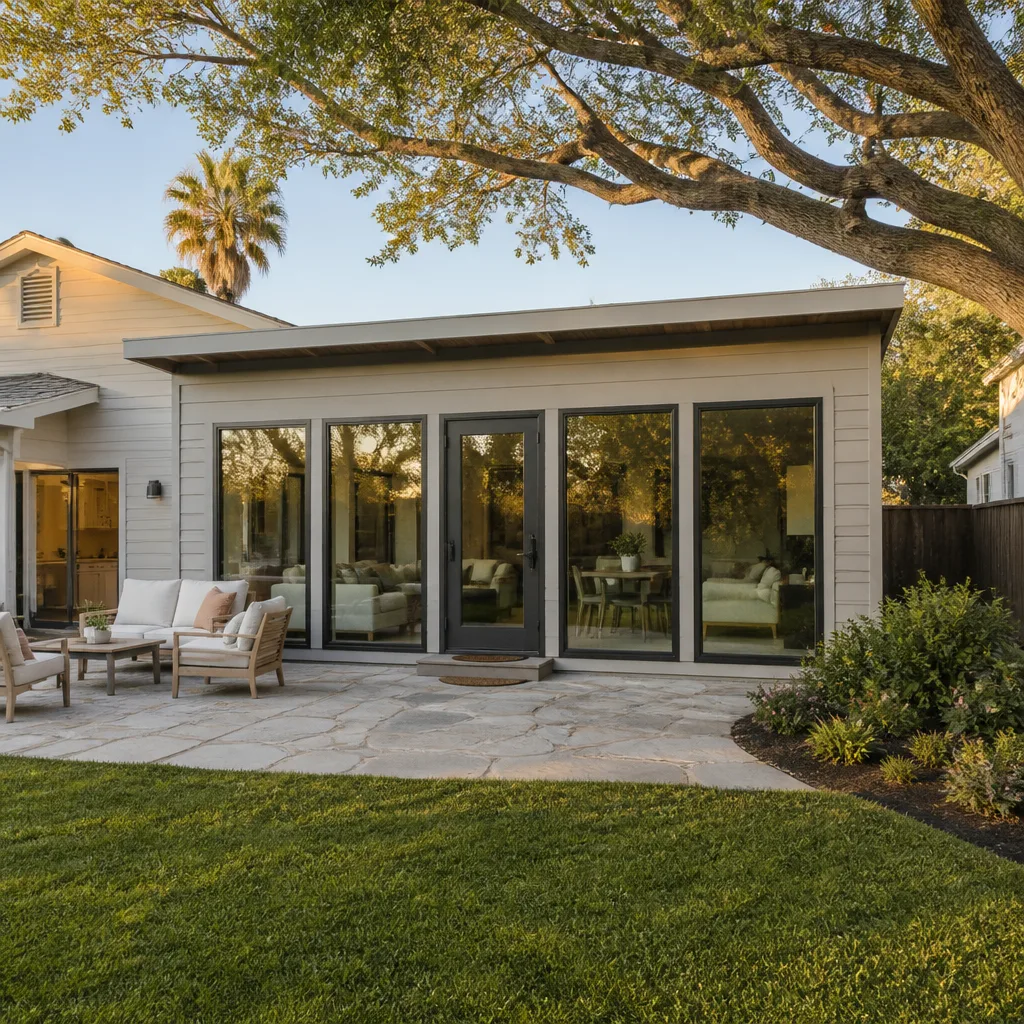
Master Halco manufactures a broad line of structural and framing products: treated lumber, engineered wood, fence and deck components, and post-frame materials. For home additions and ADUs in Fort Worth, the relevant Master Halco products are typically their kiln-dried framing lumber, pressure-treated sill plates, and engineered beams and headers. If you’re looking at a specific part number, check the ink stamp on the board or the tag on the engineered member. Master Halco stamps their treated lumber with the treatment code, the retention level (commonly .25 or .40 for above-ground versus ground-contact use), and the mill identification.
One compatibility gotcha we run into regularly: not all pressure-treated lumber is rated for ground contact. The .25 retention stock is fine for above-ground framing like wall studs. It is not fine for a sill plate sitting on concrete in a Fort Worth slab-on-grade addition, where moisture wicks up through the foundation. Matching the right retention level to the application matters more than most homeowners realize. On the OEM-versus-aftermarket question: for dimensional lumber, the Master Halco name is really about supply-chain consistency and grading. A properly graded #2 SYP (Southern Yellow Pine) from another mill will perform the same, but you want the stamp, the moisture content, and the retention level verified. On engineered beams and headers, we stick with Master Halco or a manufacturer with identical span tables. That’s not brand loyalty. That’s liability.
Styles & brands we work with







Signs Your Master Halco Home Additions & ADU Is Failing
- Doors and windows that stick or won’t latch in humid months. Fort Worth’s summer humidity makes framing lumber swell. If a Master Halco component wasn’t properly dried or was installed wet, the movement shows up at door and window openings first.
- Drywall cracks that return within a year of patching. Recurring cracks at corner beads or above door headers usually point to differential settling or an undersized header taking on load it wasn’t spec’d for.
- A floor that has a visible slope or soft bounce. In pier-and-beam additions and ADUs, a soft floor means a joist or girder has failed or is pulling away from its hanger. On slab-on-grade, slope means the slab itself has moved, which is a different animal entirely.
- Musty smell or staining at the base of exterior walls. That’s water getting to the sill plate. If the sill plate was set with above-ground-rated treated lumber where ground-contact stock was needed, the rot starts within three to five years.
- Gaps opening between the addition and the original house. The tie-in between new framing and old framing is where we see the most failures. Fort Worth’s clay soil expands and contracts with moisture, and the addition moves slightly differently than the original foundation. A properly flashed and fastened tie-in handles that movement. A sloppy one opens up.
See the difference
 Before
 After
After Before
 After
After Before
 After
AfterReplacement Cost & What’s Included
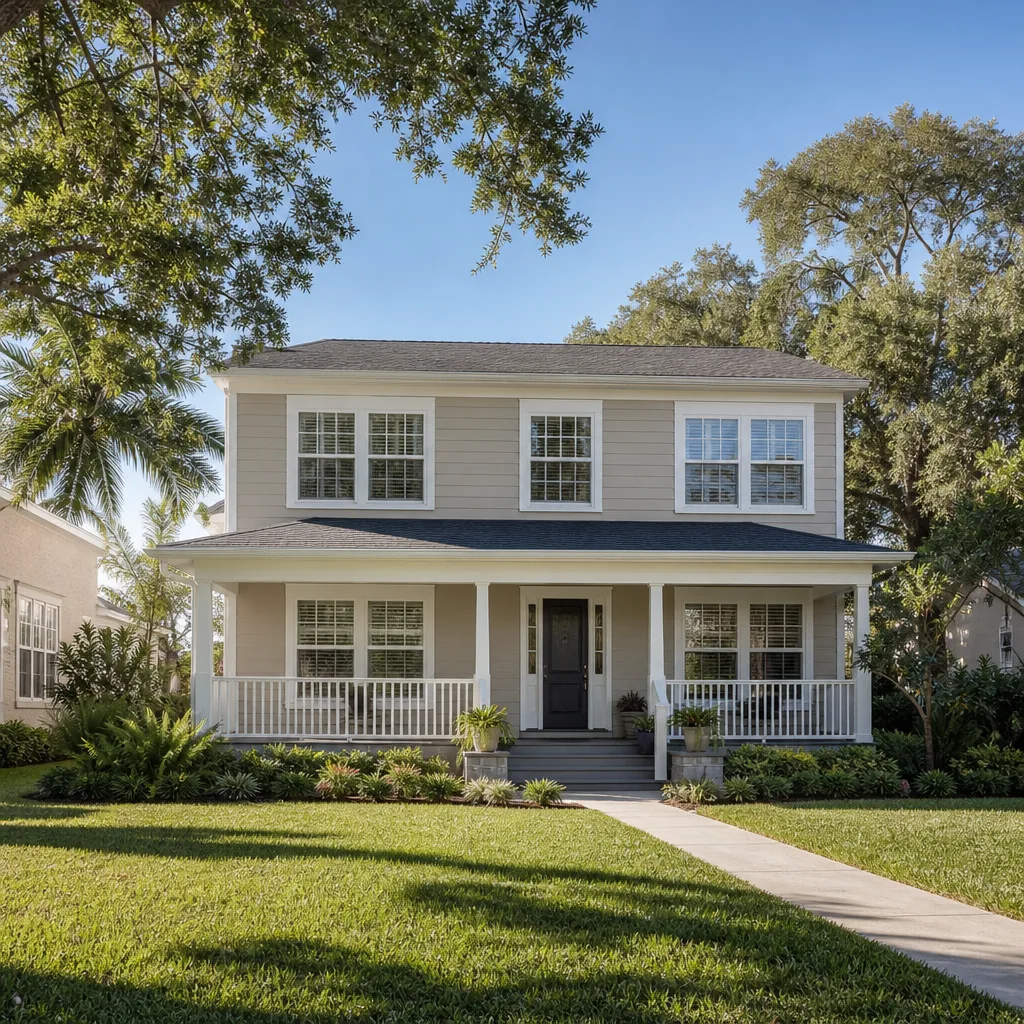
For a full home addition in Fort Worth, the installed range is $45,000 to $130,000. That covers the framing labor, the Master Halco or equivalent structural materials, the tie-in to the existing structure, and the finish carpentry. ADU construction runs $90,000 to $220,000 because it involves a second set of systems: separate electrical panel, separate HVAC, often a separate water heater, and its own foundation and utility trenching. A garage conversion, which uses the existing shell and adds living space inside it, typically lands between $30,000 and $80,000.
What drives the price within those ranges: the foundation work, the complexity of the roof tie-in, whether you’re adding plumbing, and how much of the existing framing can be salvaged. Every quote from Bradford Remodeling Co Fort Worth includes a written line-item breakdown before work starts. You’ll see the materials cost, the labor cost, and the permit fees listed separately. The number we hand you is the number on the final invoice. No change orders unless you change the scope yourself.
Every completed project carries the 365-Day Done Right Promise: if the framing or any finished work fails inside the first year, we come back and correct it at no charge. We don’t prorate it, and we don’t argue about whose fault it is. We fix it.
DIY or Call Us?
Here’s my honest take, from years of walking Fort Worth job sites. You can safely check a few things yourself: look for water staining at the sill, look for gaps at the tie-in, run a level across the floor if you suspect a slope. That’s diagnosis, not repair.
Where DIY goes wrong is structural. Cutting into a load-bearing wall, removing a header, or jacking a settled floor without understanding the load path can do tens of thousands of dollars in damage, and worse, it can create a situation where a roof or a second story fails. Curtis Lane has spent two decades pulling permits across the Southwest, and we still slow down and verify the load path before we cut anything. If you’ve got a failing addition or ADU component, call (682) 204-4897 and we’ll come look at it. The estimate is free, the scope is written, and the price doesn’t move at the door. You get a straight number and a signed guarantee before a single tool comes out.
FAQs
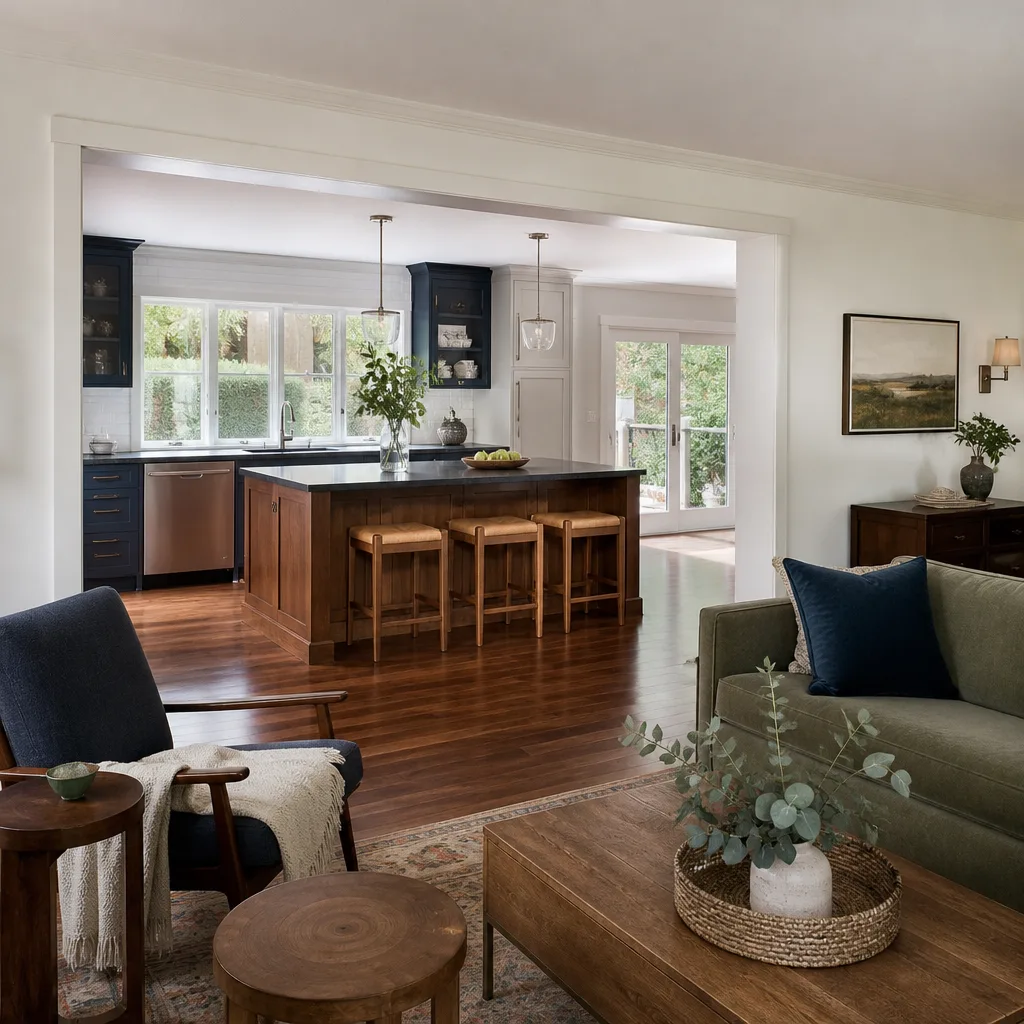
Properly installed and protected from moisture, Master Halco kiln-dried framing lumber lasts the life of the structure, but the sill plate and any ground-contact components should be inspected at year five and year ten in Fort Worth’s climate. The clay soil here means moisture is always in play, and a sill plate that’s rated above-ground and sitting on concrete typically shows rot between three and seven years. If you’re planning an addition, spend the extra on ground-contact-rated stock at the sill, and make sure the flashing detail at the base of the wall is sealed tight. Call (682) 204-4897 to schedule an inspection if you’re seeing staining or soft spots at the base of your walls.
In many cases, yes. A sill plate with localized rot can be sectioned out and replaced with pressure-treated stock rated for ground contact, as long as the rot hasn’t spread into the studs above. A header with checking or minor deflection can sometimes be reinforced with a sistered member. But if the framing member has failed to the point where it’s transferring load incorrectly, replacement is the only safe option. We’ll tell you the truth on site, and we’ll show you what we’re seeing before we quote the work. Call (682) 204-4897 and we’ll confirm what needs to happen.
Most sill plate, header, and joist replacements in a Fort Worth addition or ADU take one to three days on site once the materials are on hand and the permit is approved. A full tie-in repair where the addition has separated from the original house typically runs three to five days because you’re working with the existing roofline and flashing. We’ll give you a written schedule with the quote, and it won’t have vague entries like “TBD” or “as time allows.”
We keep common Master Halco-compatible framing stock on our trucks: kiln-dried 2×4 and 2×6 stud stock, ground-contact and above-ground treated sill plate material, joist hangers, and structural screws. Engineered beams and headers, including Master Halco-branded LVL and glulam members, are ordered to spec for your specific span and load. We also work with brands like KraftMaid, Cambria, and Silestone on the finish side, so if you’re matching cabinetry or stone during the repair, we can coordinate that too. Call (682) 204-4897 and we’ll tell you what’s on the truck and what we’ll need to order.
Written by Curtis Lane, Owner, Bradford Remodeling Co Fort Worth at Bradford Remodeling Co Fort Worth, serving Fort Worth and nearby areas.


