
Free written scope consultation - allowances, timeline, and change-order rules on paper before a single trade is scheduled
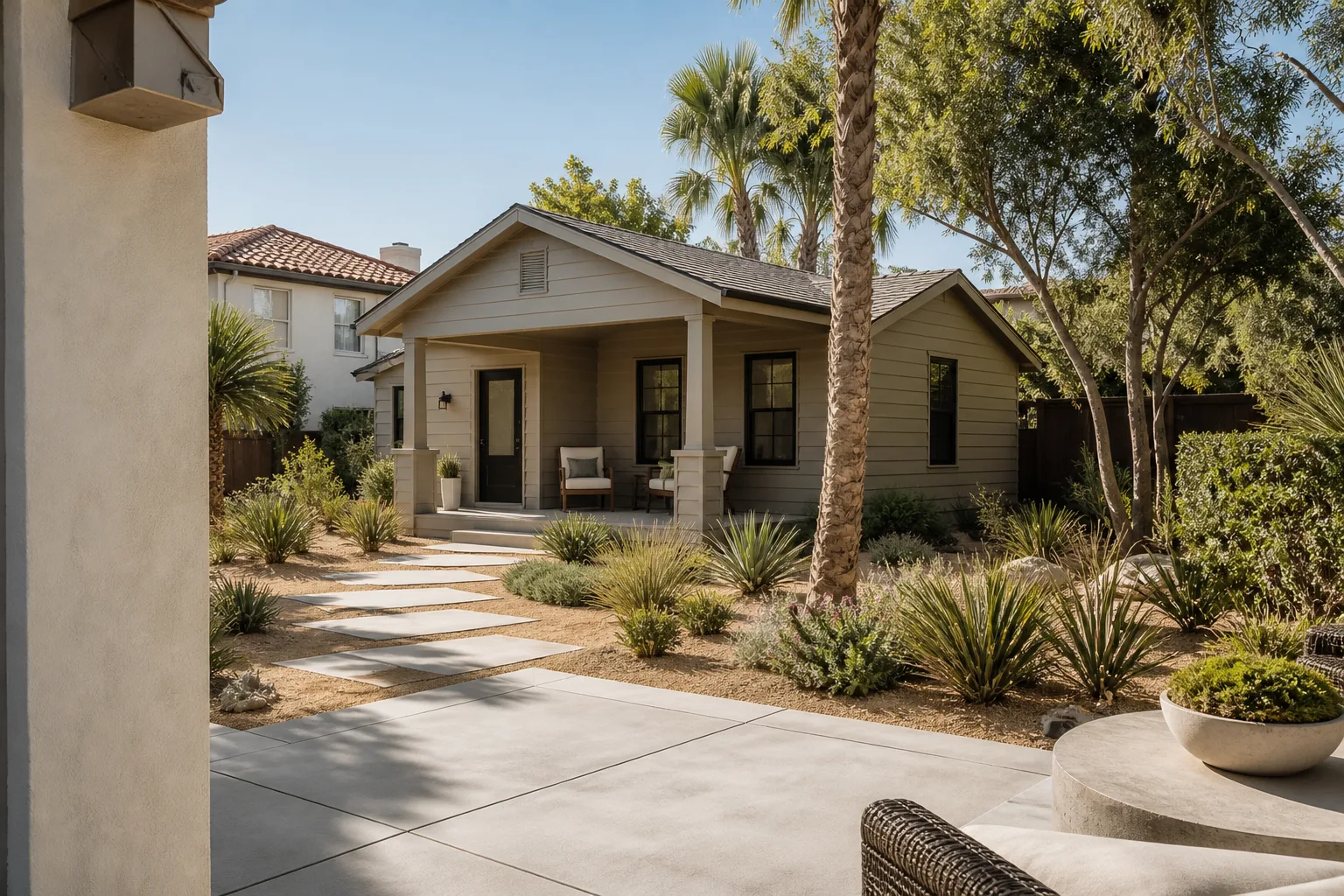
Plant Prefab Driveway & Pavers: The Fort Worth Owner’s Guide
Bradford Remodeling Co Fort Worth installs and replaces Plant Prefab-compatible driveway surfaces and paver systems across Fort Worth, with most driveway replacements running $5,000 to $14,000 installed and paver driveways typically landing between $7,000 and $18,000 depending on square footage and substrate condition. We stock common paver units, edge restraints, and base materials on the truck, so a standard repair or section replacement can often be completed in a single visit. Most owners discover a problem when a paver sinks after heavy rain, an edge row starts spreading into the lawn, or a crack in the concrete apron begins migrating toward the garage slab.
What makes Plant Prefab driveway systems different is that they’re engineered for modular installation, not poured as a monolithic slab. That means the failure points are usually at the joints, the edge restraints, and the compacted base rather than through the middle of the material itself. In Fort Worth’s clay-heavy soil, we see base washout and differential settling more than material failure, especially on the west side where soils expand and contract hard between wet springs and dry August heat.
One thing to be clear about up front: Bradford Remodeling Co Fort Worth is an independent contractor. We’re not affiliated with Plant Prefab, and we don’t sell their branded parts directly. What we do is spec, source, and install compatible replacement materials that match the dimensions, load rating, and finish of your existing Plant Prefab driveway or paver layout, with every price in writing before we start.
Which Plant Prefab Models This Applies To
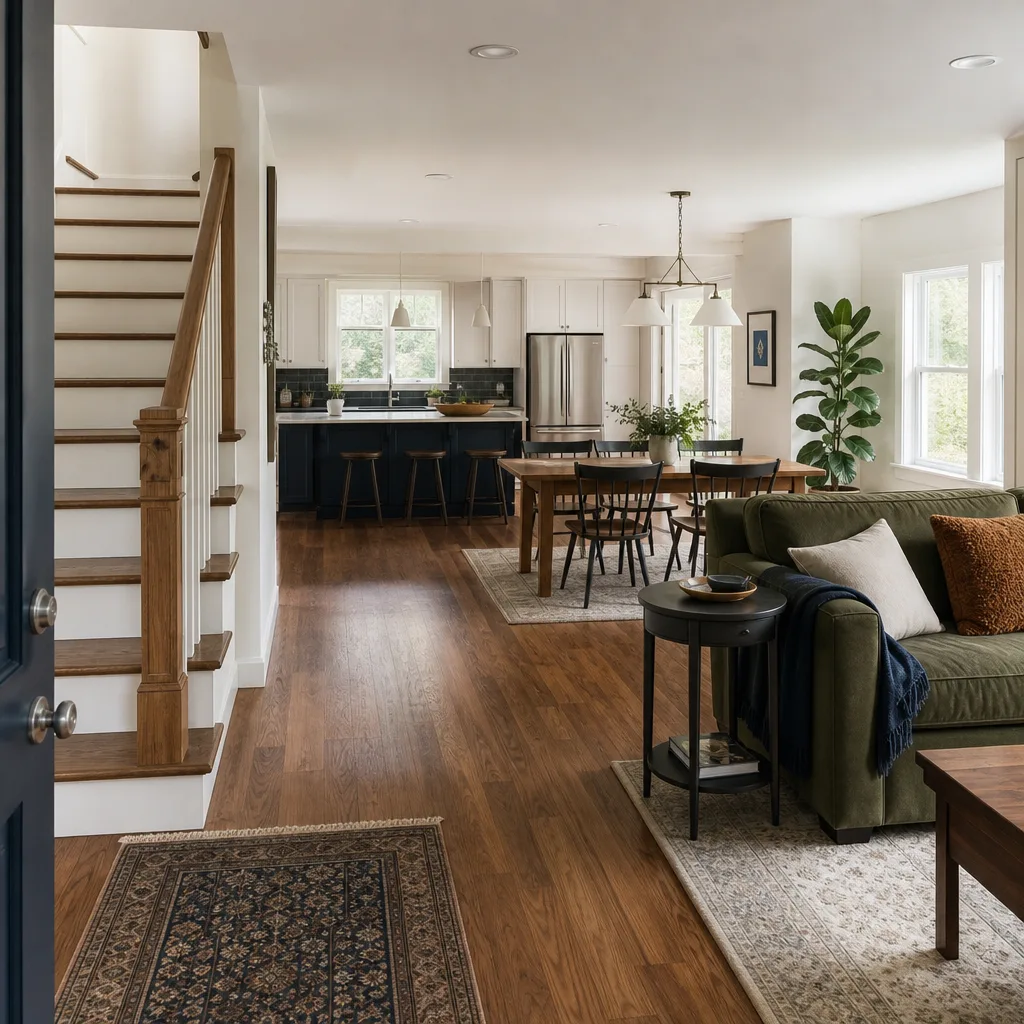
Plant Prefab’s exterior hardscape systems have shipped under a handful of series names over the years, and the compatibility question is less about the home model and more about what was specified for the site package. Most Fort Worth installations we see use either their standard modular paver line (80mm depth for residential driveways) or their permeable paver option, which is increasingly common in Tarrant County subdivisions where stormwater retention is part of the plat requirements.
The fastest way to identify what you have is to pull one paver from an edge or corner. Flip it over. Most Plant Prefab units carry a molded manufacturer code and a depth marking in millimeters. If you see 80mm stamped on the base, you have a residential driveway-rated unit. If it says 60mm, that’s a pedestrian or patio unit that someone may have used in a driveway application, which is a common failure point we correct. Thinner units under vehicle load will crack at the edges and settle unevenly within two or three North Texas seasons.
On the OEM-versus-aftermarket question: Plant Prefab’s original pavers are well-made, but they’re not always available with a short lead time in the Fort Worth market, and when they are, the freight cost can double the material price. We regularly install Belgard and Unilock units as direct replacements because they’re manufactured to the same ASTM C936 standard for concrete segmental pavers, they carry their own manufacturer warranties, and we can get them from local Fort Worth supply yards within days rather than weeks. The key is matching depth and joint spacing, not brand loyalty.
Styles & brands we work with







Signs Your Plant Prefab Driveway & Pavers Is Failing
- Sinking or depressed areas after rain. This is base failure, nearly always. Fort Worth’s clay soil shrinks and swells with moisture, and if the original base wasn’t compacted in lifts or the geotextile fabric was skipped, water finds its way under the pavers and the whole section drops. You’ll see it first near downspouts and driveway edges.
- Edge pavers drifting into the lawn. The edge restraint has failed or was never installed. Without a rigid border holding the outside row, vehicle weight pushes pavers outward. Once the edge row moves, the next row follows, and the whole field starts to open up at the joints.
- Joint sand washing out continuously. If you sweep polymeric sand into the joints and it’s gone after the next hard rain, the base is holding water underneath. The sand isn’t disappearing on top; it’s being pulled down into voids. That’s a drainage or base-compaction issue, not a sand quality issue.
- Cracking at the apron where the driveway meets the garage slab. The concrete apron and the paver field expand at different rates. In Fort Worth’s freeze-thaw cycles, even mild ones, that transition point takes the most stress. If there’s no expansion joint or the original one has filled with debris, the pavers will crack or lift at the transition.
- Weeds forcing pavers apart. Weeds don’t create gaps; they exploit them. If you have aggressive growth between pavers, the joints were never properly sealed, and root pressure will widen them over time. In Fort Worth, Bermuda grass is relentless and will push through a quarter-inch joint in one growing season.
See the difference
 Before
 After
After Before
 After
After Before
 After
AfterReplacement Cost & What’s Included
A full paver driveway replacement in Fort Worth runs $7,000 to $18,000 installed. That range is driven by three things: total square footage, the condition of the existing base, and whether we need to correct drainage before laying the new surface. A concrete driveway replacement lands lower, typically $4,500 to $12,000, and asphalt paving runs $3,500 to $9,000. If your Plant Prefab system is failing because the base was never built right, the fix isn’t swapping pavers, it’s rebuilding from the subgrade up.
Every line item is on the written price before the first tool comes out: excavation and haul-off, base material and compaction, geotextile if needed, the pavers themselves, edge restraints, joint sand, and finish grading. No numbers move at the door. That’s The Garrison Standard, and it’s the same framework we’ve operated under since 2004. When the job closes, you get a signed 365-Day Done Right Promise in your hand. If anything we installed fails inside that year, we return and correct it at no charge.
DIY or Call Us?
For a section repair or a single sunken area, a capable homeowner can pull pavers, re-level the base, and reset them in a weekend. What you should not tackle yourself is anything involving more than a few square feet of base failure. Rebuilding a compacted driveway base without a plate compactor means doing the job twice, and in Fort Worth’s clay, improper compaction will fail within a season. You also shouldn’t guess at drainage corrections. Water doesn’t care about your good intentions.
If you’re seeing structural movement, spreading edges, or repeated joint washout, that’s a base or drainage problem, and the paver swap on top of it is the easy part. Curtis Lane has been reading job sites like this across Fort Worth for years, from Stockyards-area rehabs to south-side additions. He’ll tell you what’s actually failing before he tells you what it costs. Call us at (682) 204-4897 and we’ll send someone out to look at it. The estimate’s free, and the price doesn’t change once it’s written.
FAQs
A properly installed paver driveway with an 80mm residential-rated unit and a correctly compacted base should last 25 to 30 years in Fort Worth’s climate, though the joint sand will need refreshing every 3 to 5 years. The pavers themselves rarely fail; what fails first is the base underneath them, especially in clay-heavy soils. If you’re replacing pavers because of movement rather than wear, the base is almost always the root cause.
Yes, isolated sections can typically be repaired for a fraction of full replacement cost if the base under that section is still sound. We pull the affected area, re-compact or add base material as needed, and reset the pavers with fresh joint sand. If the failure is widespread or the base was never built correctly in the first place, spot repairs become a losing game, and full replacement is the honest answer. Call (682) 204-4897 and we’ll tell you which one you’re looking at.
A standard two-car paver driveway replacement takes 4 to 8 working days from demolition to final compaction, depending on access, base conditions, and whether drainage corrections are required. Section repairs are usually done in one day. Weather delays happen in North Texas spring storms, but the schedule is in the written scope before we start, and we don’t bounce between jobs mid-project.
We stock common 80mm residential paver units, edge restraints, polymeric joint sand, and base aggregate on our trucks for same-visit section repairs, and we source Belgard and Unilock replacement lines locally in Fort Worth for full replacements. We also handle replacement parts and materials for KraftMaid, Cambria, and Silestone systems on the interior side. If your existing Plant Prefab unit has a specific finish or color blend, we’ll match it before we schedule the work.
Straight scope, firm price, no surprises at final walkthrough.
Call Bradford Remodeling Co Fort Worth at (682) 204-4897 to schedule your free estimate. A live person answers, day or night, and you’ll get a written price before any work begins.
Written by Curtis Lane, Owner, Bradford Remodeling Co Fort Worth at Bradford Remodeling Co Fort Worth, serving Fort Worth and nearby areas.


