

Free written scope consultation - allowances, timeline, and change-order rules on paper before a single trade is scheduled
Sakrete Home Additions & ADU: The Fort Worth Owner’s Guide
Sakrete home additions and ADU projects in Fort Worth typically run $45,000 – $130,000 for a full addition and $90,000 – $220,000 for a detached accessory dwelling unit. Those numbers cover the concrete work, framing, rough-in, finishes, and the written guarantee. If you’re reading this, you’ve probably got a Sakrete product bag in your garage or a poured foundation that isn’t behaving, and you’re trying to figure out whether the failure is in the concrete, the prep work, or something downstream. Most owners call us after they’ve watched a crack open up, a slab settle, or a stem wall spall and realized the fix isn’t a tube of caulk.
We’re Bradford Remodeling Co Fort Worth, and we’re an independent Fort Worth contractor. We’re not affiliated with Sakrete, but we work with their concrete and mortar products on additions and ADU builds across Tarrant County regularly. Curtis Lane has been reading concrete and framing failures long enough to tell you what failed, why it failed, and whether it’s a repair or a re-pour before he quotes you a number.
Which Sakrete Models This Applies To
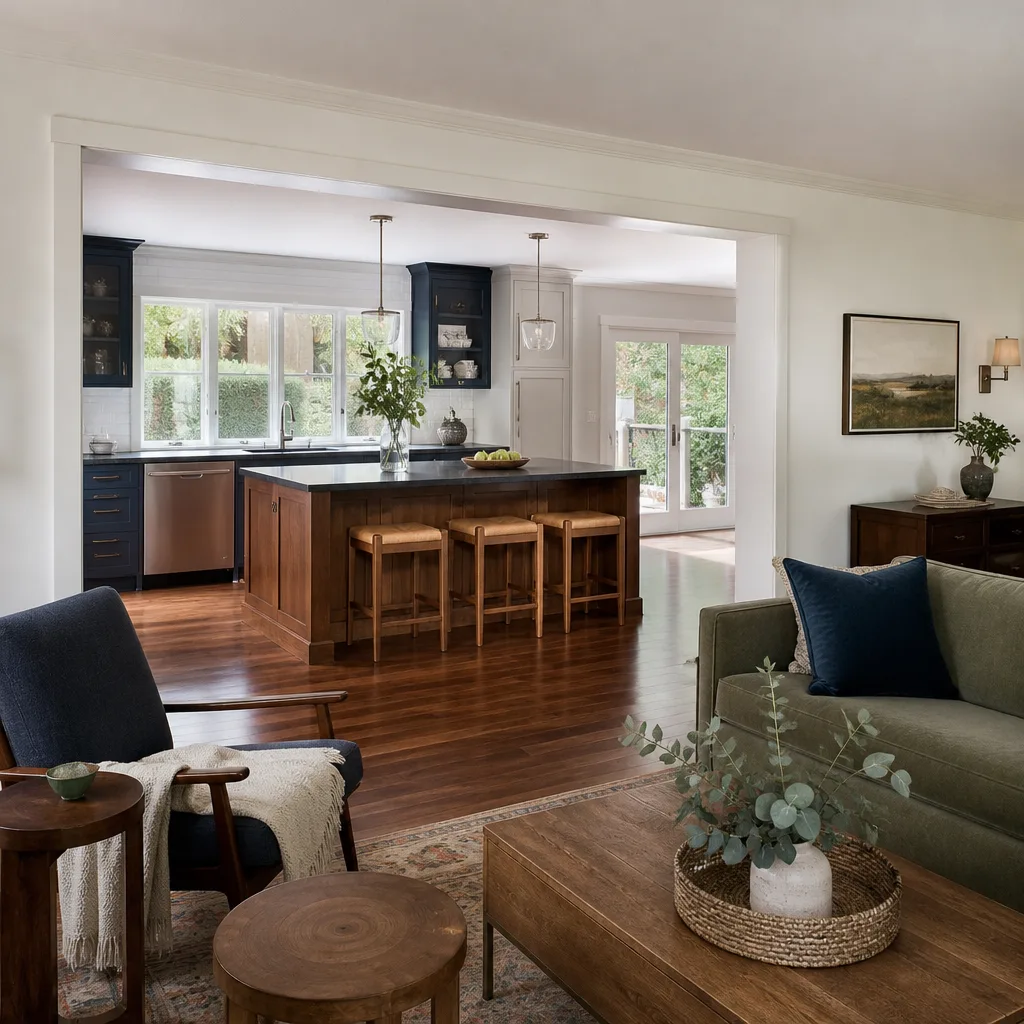
Home additions and ADUs aren’t like a fridge with a model number, but the Sakrete product you used or plan to use matters more than most people think. Sakrete makes different mix formulas for different applications, and using the wrong one is how a lot of Fort Worth additions get into trouble.
For slab work under an addition or ADU, Sakrete’s 5000 Plus high-strength mix is the standard call for load-bearing slabs in our area. For footings and stem walls, you want a mix rated for structural use, not a general-purpose bag. For non-structural applications like a patio extension or a walkway leading to the ADU, the standard 3500 PSI mix is sufficient and costs less. The gotcha: mixing a 5000 PSI bag with too much water can knock the cured strength down below what a 3500 PSI bag would give you. We’ve seen homeowners chase a price on concrete and end up paying for it twice. At Bradford, we spec the mix before we pour, and that spec goes in writing.
The OEM versus aftermarket question for Sakrete is simpler than it sounds: Sakrete is the OEM bagged product, and there are quality equivalents from Quikrete and local Fort Worth batch plants. The real variable is cure time and water ratio, not brand loyalty. For structural pours, we use what the engineer calls for and document it.
Styles & brands we work with







Signs Your Sakrete Home Additions & ADU Is Failing
- Cracks that run wider than a quarter inch or keep moving. Concrete shrinks as it cures, and hairline cracks are normal. But a crack that opens to 1/4″ or grows seasonally means soil movement under the slab. In Fort Worth’s clay-heavy soil, that’s usually the culprit, not the concrete itself.
- Slab edges that spall or flake. This happens when water saturates the concrete surface and freezes, or when the mix was too wet at pour. The top layer pops off, leaving exposed aggregate. It looks worse than it usually is, but it’s a sign the surface wasn’t cured properly.
- Doors and windows that stick in the addition. If the slab under your addition has settled, door frames in the new space bind at the top corner. That’s not a hinge problem. That’s a foundation tilt, and it tells you the soil prep under the pour was insufficient.
- Stem wall cracks at the corners. Corner cracks in a stem wall usually mean the footings weren’t deep enough for Texas expansive clay. Fort Worth soil swells when wet and shrinks when dry, and a shallow footing rides that movement like a boat. The fix is underpinning or piering, not patching.
- Water pooling at the foundation line after rain. If the grade around the addition doesn’t slope away, water sits against the concrete and works its way into the slab and wall assembly. You’ll see efflorescence, a white powdery salt deposit, on the inside face of the wall.
See the difference
 Before
 After
After Before
 After
After Before
 After
AfterReplacement Cost & What’s Included
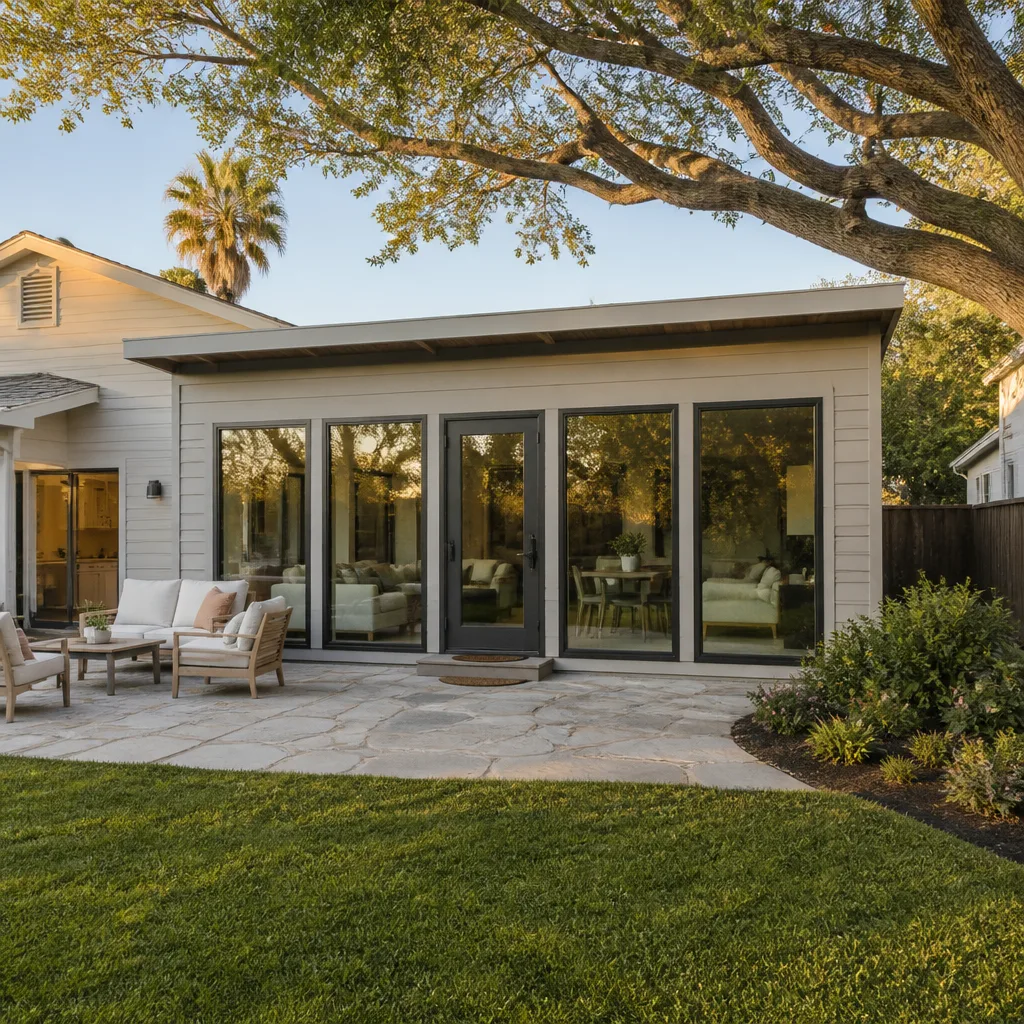
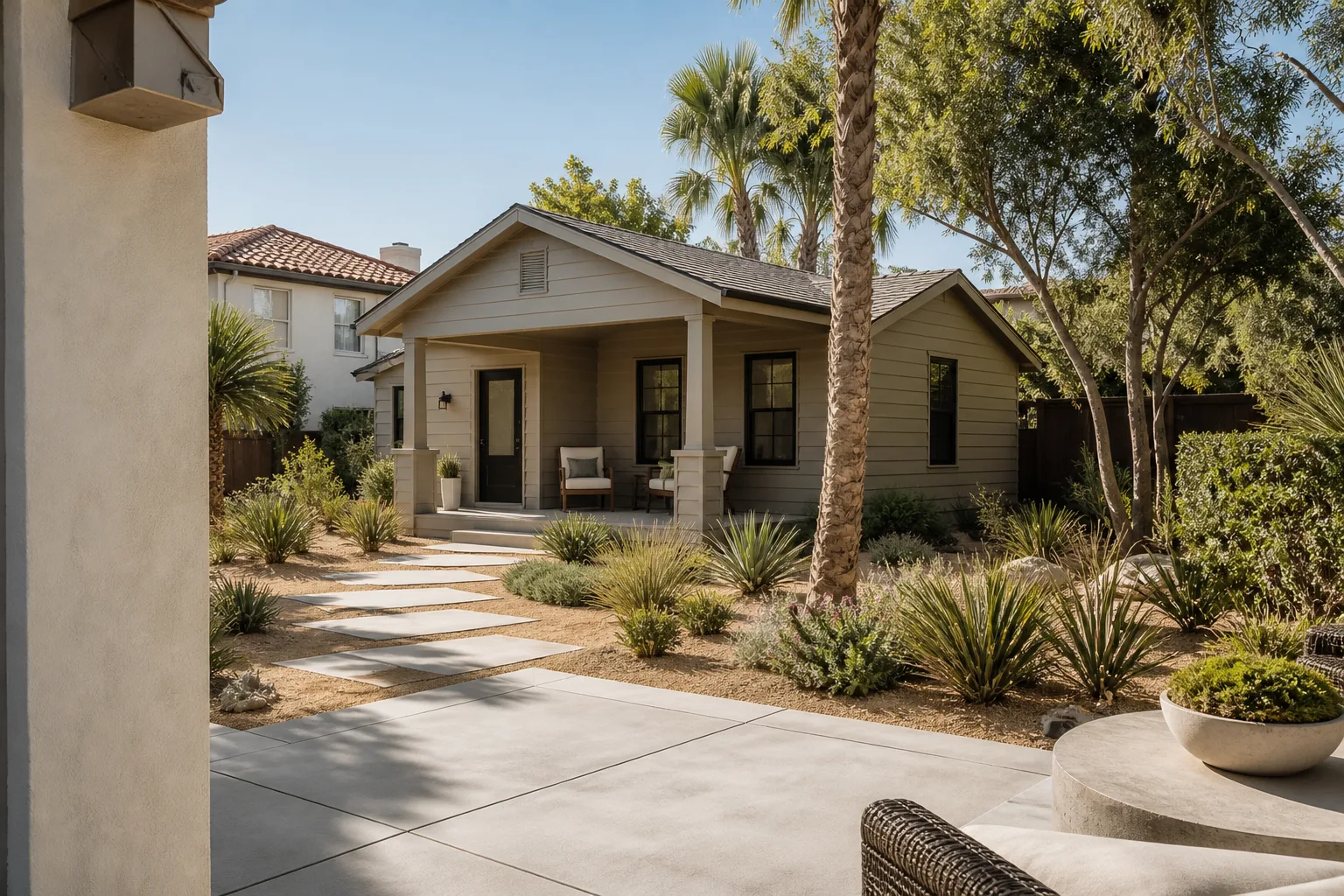
For a full home addition in Fort Worth, plan on $45,000 – $130,000. An ADU runs $90,000 – $220,000 depending on whether it’s attached, detached, single-story, or has its own kitchen and bath. Garage conversions sit between $30,000 and $80,000. These ranges include the concrete work, framing, rough-in, finishes, and our written guarantee.
Every Bradford quote includes the line-item breakdown before work starts: concrete and excavation, lumber, electrical rough-in, plumbing, drywall, flooring, paint, and trim. You’ll see the number before we swing a hammer, and it won’t move at the door. The 365-Day Done Right Promise covers the completed work for a full year. If a crack runs through your new slab or a wall moves inside that window, we come back and make it right at no charge.
DIY or Call Us?
You can check the Sakrete bag label, measure the crack width with a coin, and watch whether it moves month to month. You can also test your soil drainage by watching where water pools after a Fort Worth storm. That’s good homework before you call anyone.
What you shouldn’t do is attempt a structural repair on a failing slab or stem wall based on a YouTube video. Undermining a foundation, adding piers, or re-pouring a load-bearing section is not a weekend job. Get it wrong and you’ve turned a $4,000 repair into a $40,000 problem. Concrete dust is also a respiratory hazard, and cutting into a slab can hit plumbing or electrical lines you didn’t know were there. If the failing part is structural, call us at (682) 204-4897. We’ll give you a straight scope and a firm price.
FAQs
A properly poured and cured slab in Fort Worth lasts 50-plus years with standard wear. The failure point is usually soil movement beneath it, not the concrete itself, which is why we put as much attention on compaction and drainage as we do on the mix spec.
If you’re unsure whether your slab is aging normally or failing, call (682) 204-4897 and we’ll take a look. The estimate is free.
Yes, hairline and static cracks can be routed and sealed, and settled slabs can often be lifted with polyurethane foam injection or mudjacking. But if the slab has tilted enough to bind doors or if the crack is active and widening, repair is a temporary fix and you’re better off addressing the soil problem underneath.
We’ll tell you which one you’re looking at before you spend a dollar. Call (682) 204-4897 for an honest read.
Most additions take 3 to 6 months from permit to final walkthrough, and a detached ADU typically runs 4 to 8 months depending on utility tie-ins and finish level. Fort Worth permitting and inspections are part of that timeline, and we handle both.
You’ll get a written schedule with your written price. Call (682) 204-4897 to talk through your timeline.
We source Sakrete and equivalent structural mixes from local Fort Worth suppliers on a per-project basis, so you get fresh material spec’d for the job, not bags that have sat in a truck bed through a Texas summer. For standard repair work, we typically have what we need on hand within a day.
Tell us what you’re fixing and we’ll confirm availability and lead time when you call (682) 204-4897.
Straight scope, firm price, no surprises at final walkthrough.
Written by Curtis Lane, Owner, Bradford Remodeling Co Fort Worth at Bradford Remodeling Co Fort Worth, serving Fort Worth and nearby areas.


